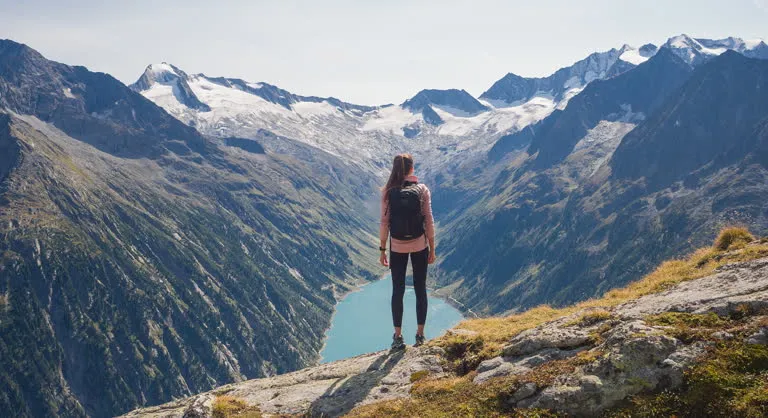
Nestled in the heart of Austria, Enntal emerges as a captivating valley that embodies the perfect harmony between human ingenuity and nature’s bounty. Stretching along the Enns River through regions like Upper Austria and Styria, Enntal is more than just a geographical feature—it’s a living testament to sustainable development in the Alps. This article delves into why Enntal matters, exploring its economic vitality, environmental significance, and unparalleled travel appeal. Drawing from its ancient roots as a trade corridor to its modern role in eco-tourism, Enntal showcases how a region can thrive while preserving its essence. As global conversations shift toward sustainability, understanding Enntal provides valuable lessons for economies, ecosystems, and explorers alike.
Economic Insights: A Foundation of Resilience and Innovation
Enntal’s economy is a model of balanced growth, rooted in tradition yet adaptable to contemporary challenges. Historically, the valley’s fertile plains and strategic location along the Enns River made it a hub for agriculture and trade. Ancient settlements, dating back to Roman times, capitalized on the river for transportation, fostering early commerce in goods like timber, salt, and agricultural produce. Today, agriculture remains a cornerstone, with dairy farming, crop cultivation (including grains and vegetables), and forestry employing a significant portion of the local population. These sectors not only provide livelihoods but also contribute to Austria’s broader food security, emphasizing organic and sustainable practices that minimize chemical inputs.
What sets Enntal apart economically is its pivot toward renewable energy and green industries. The Enns River powers hydropower plants, generating clean electricity that supplies local communities and even exports to neighboring areas. This focus on renewables has created jobs in engineering, maintenance, and innovation, aligning with Austria’s national goals for carbon neutrality. Small-scale manufacturing and craftsmanship further bolster the economy; artisans produce high-quality goods like wooden crafts, textiles, and pottery, often sold through local markets or exported. These enterprises emphasize quality over quantity, supporting a circular economy where waste is minimized and resources are reused.
Tourism plays a pivotal role, injecting vitality into Enntal’s economic fabric. The valley’s natural attractions draw visitors year-round, sustaining hotels, guesthouses, and restaurants—many family-run and committed to eco-friendly operations. In 2025, tourism in similar Alpine regions contributed over 10% to Austria’s GDP, and Enntal is no exception, with seasonal influxes boosting retail and service sectors. However, economic growth here is tempered by sustainability; initiatives like community cooperatives ensure that profits benefit locals, preventing overtourism. For instance, adaptive strategies in response to climate change, such as diversifying from traditional farming to high-value crops like saffron in nearby valleys, inspire Enntal’s farmers to innovate.
The valley’s economic resilience shines in its ability to blend old and new. While preserving rural charm, Enntal invests in digital infrastructure, enabling remote work and attracting young professionals who value quality of life. This influx supports real estate and education sectors, with schools emphasizing environmental stewardship. Overall, Enntal’s economy demonstrates that prosperity need not come at nature’s expense—it’s a blueprint for rural revitalization in Europe, where balanced development fosters long-term stability.
Environmental Insights: A Bastion of Biodiversity and Sustainability
Environmentally, Enntal stands as a beacon of conservation amid the Alps’ fragile ecosystems. The valley’s diverse landscapes—ranging from lush meadows and dense forests to alpine peaks and crystal-clear rivers—host a rich array of flora and fauna. Deer, eagles, and various bird species thrive here, supported by protected areas that promote biodiversity. The Enns River, a lifeline for the region, maintains pristine water quality through strict regulations, serving as a habitat for fish and a source for sustainable fishing.
Climate change poses challenges, but Enntal’s proactive measures highlight its environmental importance. Forests act as carbon sinks, absorbing emissions, while reforestation projects enhance resilience against erosion and floods. Seasonal transformations—from spring wildflowers to autumn’s golden hues and winter’s snow-blanketed vistas—underscore the valley’s ecological dynamism. Conservation efforts, including wildlife corridors and habitat restoration, ensure that human activities coexist with nature. Austria’s broader commitment to renewable energy, with over 70% of electricity from hydro and other greens sources, is exemplified in Enntal’s hydropower initiatives, reducing fossil fuel dependency.
Sustainable agriculture in Enntal minimizes environmental impact; organic farming practices preserve soil health and reduce pollution, while crop rotation and integrated pest management protect local ecosystems. Tourism, too, is eco-conscious: trails are maintained to prevent soil compaction, and visitors are encouraged to use electric bikes or public shuttles, aligning with initiatives like the Alpine Pearls network for car-free travel. These efforts not only safeguard the environment but also educate outsiders on responsible living.
Why does Enntal’s environment matter globally? In an era of biodiversity loss, it serves as a model for alpine conservation. By integrating green energy, waste reduction, and community involvement, Enntal contributes to Austria’s ranking as a leader in sustainability. Its practices offer insights for other regions facing similar threats, proving that environmental stewardship can enhance rather than hinder progress.
Travel Insights: An Invitation to Adventure and Authenticity
For travelers, Enntal offers an immersive escape that blends adventure, culture, and relaxation. Accessible by train or eco-shuttles from major Austrian cities like Vienna or Salzburg, the valley prioritizes sustainable mobility, making it easy to explore without a car. Hiking trails wind through mountains, offering panoramic views and opportunities for birdwatching or wildflower spotting in spring. In winter, alpine slopes transform into skiing and snowboarding havens, with well-groomed pistes catering to all levels.
Cultural immersion is a highlight: quaint villages with medieval architecture host festivals celebrating harvests, folk music, and traditional dances. Visitors can join in, donning regional costumes or sampling local cuisine like Kaiserschmarrn (shredded pancakes) or hearty stews made from farm-fresh ingredients. Artisan workshops allow hands-on experiences in crafting, fostering a deeper appreciation for Enntal’s heritage.
Outdoor enthusiasts thrive here: rafting on the Enns River provides thrills, while cycling routes along lakesides offer serene journeys. For tranquility seekers, serene spots like forested glades or riverbanks invite picnics and reflection. Accommodations range from cozy guesthouses to eco-lodges, emphasizing local hospitality and minimal environmental footprints.
Travel in Enntal matters because it redefines tourism as regenerative. By supporting local economies through farm-to-table dining and guided eco-tours, visitors contribute to preservation efforts. Seasonal events, like autumn markets or winter carnivals, ensure year-round appeal, while accessibility features make it inclusive. In a world of mass tourism, Enntal’s authentic, low-impact approach inspires mindful travel, where experiences enrich both visitor and host.
Conclusion: The Enduring Relevance of Enntal
Enntal matters profoundly in today’s interconnected world. Economically, it exemplifies resilient, sustainable growth; environmentally, it safeguards alpine treasures; and for travel, it offers genuine, enriching escapes. As challenges like climate change intensify, Enntal’s balanced model—rooted in history, culture, and innovation—provides a roadmap for the future. Whether you’re an economist studying rural vitality, an environmentalist advocating conservation, or a traveler seeking solace, Enntal invites reflection on how we can all live more harmoniously with our planet. Its story is one of enduring relevance, urging us to value such hidden gems.
FAQ: Common Questions About Enntal
Q: What is Enntal? A: Enntal is a scenic valley in Austria along the Enns River, known for its alpine landscapes, cultural heritage, and sustainable practices in Upper Austria and Styria.
Q: How can I get to Enntal sustainably? A: Travel by train to nearby cities like Linz or Graz, then use eco-shuttles or electric bikes. Enntal supports car-free initiatives for minimal environmental impact.
Q: What are the best activities in Enntal? A: Hiking, skiing, rafting, and cultural festivals top the list. Explore trails in summer or slopes in winter, and enjoy local cuisine year-round.
Q: Is Enntal affected by climate change? A: Yes, but adaptive measures like renewable energy and conservation projects help mitigate impacts, making it a model for alpine resilience.
Q: What economic opportunities exist in Enntal? A: Key sectors include agriculture, tourism, hydropower, and craftsmanship, with a focus on green jobs and community-driven growth.
Q: Are there eco-friendly accommodations in Enntal? A: Absolutely—family-run guesthouses and lodges prioritize sustainability, using local materials and renewable energy sources.
Q: When is the best time to visit Enntal? A: Spring for wildflowers, summer for hiking, autumn for festivals, and winter for skiing. Each season offers unique insights into the valley’s beauty.