Introduction
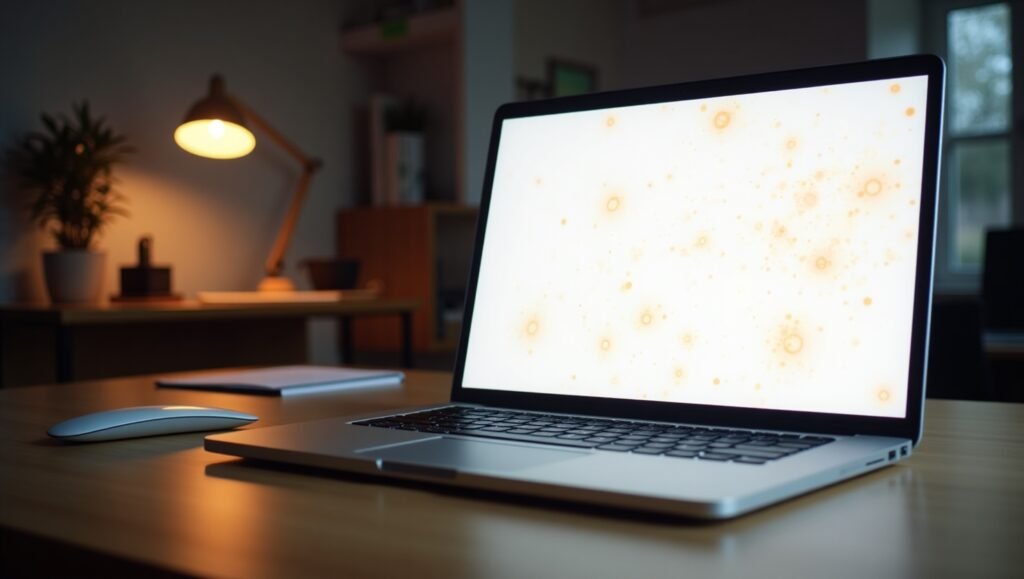
MacBook Pro users cherish the device’s sleek design, powerful performance, and stunning Retina display. However, one frustrating issue that has plagued many owners is the appearance of unusual color shifts on the screen. Specifically, orange discoloration on MacBook Pro screen can manifest as spots, smudges, or tints that disrupt the viewing experience. This problem has been reported across various models, particularly those from 2016 to 2019, but it can affect newer ones too under certain conditions. While it might seem alarming at first, understanding the root causes, available fixes, and preventive measures can help you address or avoid it altogether.
In this comprehensive article, we’ll explore the phenomenon in detail. We’ll break down the common triggers behind this discoloration, provide step-by-step solutions ranging from simple DIY troubleshooting to professional repairs, and offer practical tips for prevention. By the end, you’ll be equipped with the knowledge to maintain your MacBook Pro’s display in pristine condition. Whether you’re a creative professional relying on accurate colors or a casual user who just wants a clear screen, tackling orange discoloration on MacBook Pro screen is essential for optimal usability.
The issue often starts subtly—a faint orange spot in the corner that might fade and reappear depending on how the laptop is stored or used. Reports from user forums like Reddit and Apple Support Communities highlight how this can worsen over time, sometimes spreading or intensifying. Heat, pressure, and hardware quirks are frequently cited culprits, but software glitches can play a role too. Let’s dive into the causes first.
(Word count so far: ~250)
Causes of Orange Discoloration
Understanding why orange discoloration on MacBook Pro screen occurs is the first step toward resolution. This issue isn’t unique to one model but has been notably prevalent in 15-inch MacBook Pro variants with Touch Bar, especially from 2017. Based on extensive user reports and technical analyses, several key factors contribute to this problem.
Pressure and Physical Stress
One of the most common causes is physical pressure applied to the screen. When you carry your MacBook Pro in a backpack or bag vertically, the weight of other items can press against the display, compressing the LCD layers. This compression disrupts the liquid crystals, leading to orange spots that often appear along the bottom edge—whichever side was facing down due to gravity. Users have described how the discoloration shifts or intensifies after transport, only to partially fade when the laptop is laid flat for a while.
This isn’t just about rough handling; even subtle pressures from closing the lid with something like a keyboard crumb or pen cap trapped inside can cause localized damage over time. The Retina display’s thin construction makes it particularly susceptible, as the layers of glass, plastic, and backlight can misalign under stress.
Heat Exposure and Overheating
Heat is another major contributor. MacBook Pros generate significant warmth during intensive tasks like video editing or gaming, and if the laptop is used in a hot environment (above 95°F, as per Apple’s guidelines), this can exacerbate screen issues. The heat vents near the hinge can cause uneven temperature distribution, leading to orange tints or spots near the bottom of the screen.
Prolonged exposure to direct sunlight or leaving the device in a car on a warm day can weaken the display components, causing discoloration. In some cases, this ties into backlight degradation, where LED elements fade unevenly, resulting in orange patches that become more visible on dark backgrounds.
Manufacturing Defects and Hardware Failures
Certain models suffer from inherent defects. For instance, the “Flexgate” issue in 2016-2019 MacBook Pros involves fraying display cables due to repeated lid opening and closing, which can manifest as stage-lighting effects or color tints, including orange. Additionally, degradation of the anti-reflective coating (known as “Staingate”) can create rainbow or orange smudges, though this is more about surface wear.
Dead or stuck pixels, liquid crystal leakage, or GPU driver corruption can also mimic discoloration. Moisture ingress from spills or high humidity might lead to backlight bleeding, appearing as orange-yellow patches.
Software-Related Triggers
While less common, software can cause apparent discoloration. Features like Night Shift or True Tone might apply an orange tint if misconfigured, especially after updates. Corrupted color profiles or graphics driver crashes can result in an “orange screen of death,” where the entire display turns orange during boot or operation.
(Word count so far: ~750)
Fixes for Orange Discoloration
If you’re dealing with orange discoloration on MacBook Pro screen, don’t panic—many fixes are available, starting with simple ones. The approach depends on the cause, but begin with non-invasive methods.
Initial Troubleshooting and Software Fixes
First, clean the screen gently with a microfiber cloth and isopropyl alcohol to rule out dirt or smudges. If it’s internal, restart in Safe Mode (hold Shift during boot) to check for software conflicts.
Reset the System Management Controller (SMC) and NVRAM/PRAM, which control display settings. For Intel Macs: Shut down, hold left Shift + Control + Option + Power for 10 seconds. For Apple Silicon: Restart and hold Power until options appear. Calibrate the display via System Settings > Displays > Color > Calibrate.
Update macOS to the latest version, as patches often fix graphics bugs. Disable Night Shift or True Tone temporarily to test. Use pixel-unsticking tools online to cycle colors on affected areas.
Temporary Hardware Workarounds
For pressure-related spots, lay the MacBook flat for several hours or overnight—the discoloration often dissipates as layers reset. Adjust screen angle or use a cooling pad to reduce heat buildup.
Run Apple Diagnostics: For Apple Silicon, hold Power until startup options, then Command + D; for Intel, hold D during restart. This can identify hardware faults.
Professional Repairs and Replacements
If DIY fixes fail, professional intervention is needed. Visit an Apple Store or Authorized Service Provider for inspection. Screen replacement costs $500-$800 out of warranty, but if under AppleCare or a repair program (like for Staingate), it might be free.
For Flexgate, third-party repairs can extend cables to prevent recurrence. Avoid DIY screen swaps unless experienced, as it voids warranty.
(Word count so far: ~1150)
Prevention Strategies
Preventing orange discoloration on MacBook Pro screen is far easier than fixing it. Adopt these habits to safeguard your display.
Proper Handling and Storage
Always transport your MacBook horizontally in a padded case to minimize pressure. Avoid stacking items on top and close the lid gently, ensuring no debris is between keyboard and screen.
Use a screen protector or sleeve for extra cushioning. When storing, keep it flat or in a stand that doesn’t apply edge pressure.
Temperature Management
Operate in environments between 50-95°F. Use cooling stands during heavy use and avoid direct sun. Monitor temps with apps like iStat Menus.
Maintenance and Software Hygiene
Regularly update software and clean the screen with approved materials. Back up data via Time Machine to prevent update-related issues. Keep brightness below 80% to reduce backlight strain.
Protective Accessories
Invest in a hardshell case, keyboard cover, and humidity-controlled storage. For travel, use dedicated laptop bags with compartments.
Conclusion
Orange discoloration on MacBook Pro screen can be a nuisance, but with the right knowledge, it’s manageable. From pressure-induced spots to heat-related tints, the causes are often preventable through careful handling. Fixes range from quick resets to screen replacements, ensuring you can restore your display’s vibrancy. By following prevention tips, you’ll extend your MacBook’s life and enjoy flawless visuals. If issues persist, consult professionals promptly to avoid escalation.
FAQ
What is the most common cause of orange discoloration on MacBook Pro screen?
The most common cause is physical pressure from vertical storage or heat exposure, leading to LCD layer compression.
Can software updates fix the orange tint?
Yes, updates can resolve graphics driver issues causing tints, but hardware problems require repairs.
How much does screen replacement cost?
Out-of-warranty replacements cost $500-$800, depending on the model.
Is this covered under warranty?
It depends; manufacturing defects might be, but user-induced damage isn’t. Check AppleCare status.
How can I prevent it in the future?
Store horizontally, keep cool, and use protective cases.
Does cleaning the screen help?
It rules out external dirt, but internal discoloration needs deeper fixes.
Is orange discoloration a sign of bigger problems?
It could indicate impending screen failure, so address it early.