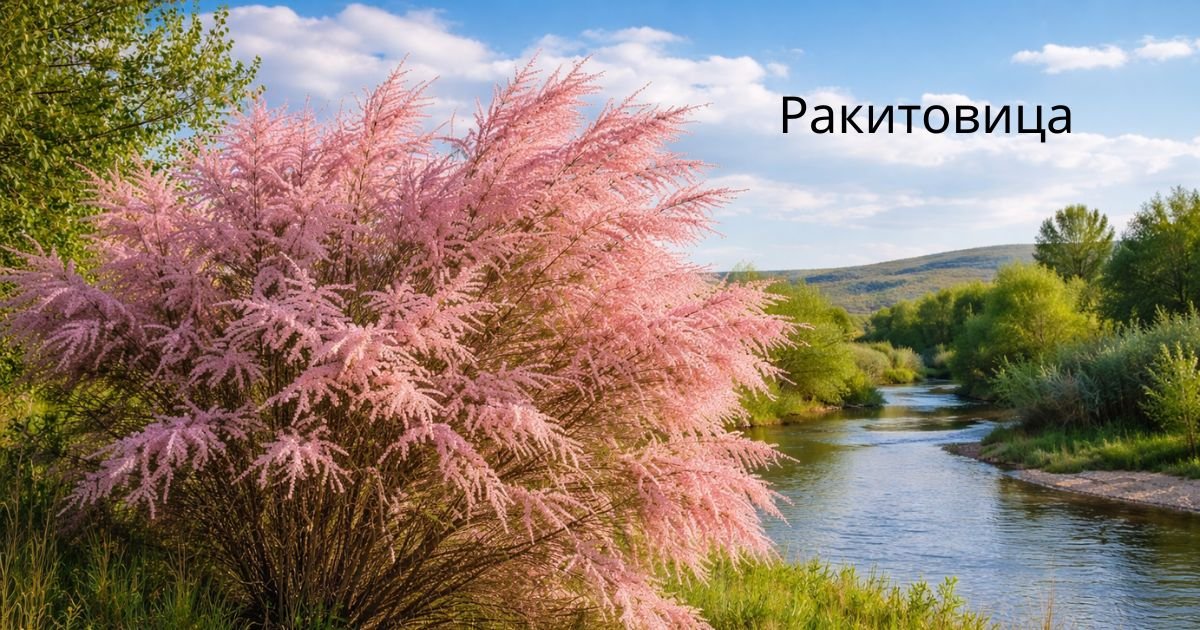
Introduction to Ракитовица
Ракитовица, a term that evokes images of resilient shrubs thriving in harsh environments, is the Bulgarian name for the genus Tamarix, commonly known as tamarisk in English. This plant has captivated botanists, ecologists, and traditional healers for centuries due to its unique adaptability and multifaceted uses. Often misunderstood or overlooked in modern horticulture, Ракитовица represents a bridge between ancient folklore and contemporary environmental science. In this comprehensive review, we delve into its botanical characteristics, rich historical background, practical applications, and a step-by-step guide for cultivation and utilization. Whether you’re a gardener seeking hardy plants for challenging soils or a health enthusiast exploring natural remedies, understanding Ракитовица can open doors to sustainable living and ecological restoration.
At its core, Ракитовица is a genus comprising around 100 species of flowering shrubs or small trees, typically reaching heights of 6-8 meters, though some can grow up to 12 meters in ideal conditions. Native to Eurasia and Africa, these plants are renowned for their salt-tolerant nature, making them ideal for coastal areas, riverbanks, and arid landscapes. In Bulgaria, where the name Ракитовица is most commonly used, two wild species are prevalent along the Black Sea coast and river systems. The plant’s feathery foliage and pinkish-white flowers not only add aesthetic value but also serve practical purposes in soil stabilization and biodiversity support.
The etymology of Ракитовица traces back to Slavic roots, where “rakita” refers to willow-like vegetation. Although not a true willow (which belongs to the Salix genus), Ракитовица shares a superficial resemblance with its slender branches and leaves, leading to this nomenclature. This linguistic connection highlights how nature-inspired names often reflect observational similarities rather than taxonomic accuracy. In broader Slavic cultures, the term can also appear as a toponym, denoting places associated with willow groves or similar flora, such as the village of Rakitovica in Croatia, which derives its name from the same root word meaning “place of willows.”
Botanical Characteristics and Identification
To fully appreciate Ракитовица, one must start with its physical traits. These plants are deciduous or evergreen, depending on the species, with scale-like leaves that reduce water loss, an adaptation crucial for survival in saline or dry soils. The branches are flexible and whip-like, often drooping in a manner reminiscent of weeping willows. During blooming season, which varies by region but typically occurs in spring or summer, Ракитовица produces dense spikes of tiny flowers that attract pollinators like bees, making it a valuable medonous (honey-producing) plant.
Identification in the wild is straightforward once you know the key markers. Look for shrubs in wetland edges, sandy dunes, or disturbed lands where other vegetation struggles. The bark is rough and reddish-brown, peeling in strips on older specimens. Fruits are small capsules containing numerous seeds equipped with feathery plumes for wind dispersal. Beginners should note that Ракитовица can be invasive in some non-native regions, such as parts of the United States, where it outcompetes local flora. In its native habitats, however, it plays a vital ecological role by preventing erosion and providing habitat for wildlife.
Scientifically classified under the family Tamaricaceae, Ракитовица was first described by Carl Linnaeus in 1753. Common species include Tamarix aphylla (athel tamarisk), known for its leafless appearance, and Tamarix ramosissima (saltcedar), which is more branching. These variations allow Ракитовица to thrive in diverse climates, from Mediterranean to steppe environments. Soil preference is for alkaline, sandy, or clayey substrates with high salinity—conditions that would kill most plants. This resilience stems from specialized root systems that excrete excess salt through leaves, a process visible as crystalline deposits on foliage.
Historical Significance of Ракитовица
The history of Ракитовица spans millennia, intertwining with human civilization in profound ways. Ancient references appear in biblical texts, where tamarisk is mentioned as the “tree of Abraham” in Genesis, symbolizing hospitality and endurance in desert landscapes. In Egyptian mythology, the plant was associated with Osiris, used in rituals for its purported protective qualities. Greek and Roman scholars, including Theophrastus and Pliny the Elder, documented its uses for timber, medicine, and dye production.
During the Middle Ages in Europe, particularly in the Balkans, Ракитовица gained prominence as a “divine tree” or “Bozhe darvo” in Bulgarian folklore, believed to ward off evil spirits. Villagers planted it near homes for protection, and its wood was crafted into tools and charms. The Ottoman Empire, which influenced much of Eastern Europe, incorporated tamarisk into landscaping for erosion control along the Danube and other rivers. In traditional Slavic medicine, infusions from Ракитовица bark and leaves treated ailments like fever and digestive issues, predating modern pharmacology.
The 19th century saw scientific interest peak with Linnaeus’s classification, leading to its introduction in colonial gardens worldwide. However, this global spread turned problematic; in Australia and the Americas, Ракитовица became an invasive species, altering waterways and prompting control efforts. Post-World War II, Eastern European countries like Bulgaria utilized it for reforestation projects, recognizing its role in combating soil degradation. Today, amid climate change, Ракитовица is studied for its potential in phytoremediation—using plants to clean polluted soils—and as a bioindicator for environmental health.
Culturally, Ракитовица features in literature and art. In Bulgarian poetry, it symbolizes resilience against adversity, much like the nation’s history of invasions and revivals. Festivals in rural areas sometimes celebrate its blooming, tying into harvest traditions. As a toponym, places named Ракитовица or variants reflect historical settlements near willow-thick areas, such as the Croatian village of Rakitovica, a quiet agricultural community with roots in medieval Slavic migrations.
Medicinal and Nutritional Benefits: A Review
One of the most compelling aspects of Ракитовица is its health benefits, backed by both traditional knowledge and emerging research. The plant is rich in flavonoids, tannins, and phenolic compounds, which exhibit antioxidant, anti-inflammatory, and antimicrobial properties. In folk medicine, leaf decoctions treat respiratory issues, while bark extracts alleviate joint pain and skin conditions.
Modern studies, such as those published in the Journal of Ethnopharmacology, confirm these uses. For instance, Tamarix species show promise in managing diabetes by regulating blood sugar levels. As a “vitamin bomb,” some confuse it with sea buckthorn due to similar names in Slavic languages, but Ракитовица’s berries (when present) provide vitamins C and E, though in lesser quantities. Nutritional applications include teas and supplements for immune support, particularly in regions with harsh winters.
Ecologically, Ракитовица aids in natural remedies for land restoration. Its ability to fix nitrogen in soil enhances fertility, benefiting agriculture. However, caution is advised: excessive consumption can lead to gastrointestinal upset due to high tannin content. Always consult professionals before using it medicinally, as interactions with medications are possible.
Practical Uses in Daily Life and Environment
Beyond health, Ракитовица offers versatile applications. In gardening, it’s prized for ornamental value, creating windbreaks or hedges in coastal gardens. Its wood, though not premium, is used for fuel and crafts in rural areas. As a honey plant, it supports beekeeping, producing light, aromatic honey.
Environmentally, Ракитовица excels in soil stabilization, preventing desertification in arid zones. Projects in the Middle East and Central Asia employ it for dune fixation. In urban planning, it’s integrated into green infrastructure for water management, absorbing excess salts from irrigated lands.
Detailed Guide to Cultivating and Utilizing Ракитовица
Step 1: Selecting the Right Species and Site
Choose species like Tamarix gallica for temperate climates or Tamarix africana for drier ones. Ensure the site has full sun, well-drained soil with pH 7-9, and tolerance for salinity.
Step 2: Propagation Methods
Propagate via seeds sown in spring or cuttings taken in autumn. Soak seeds in water for 24 hours to improve germination. Plant cuttings in sandy mix, keeping moist until rooted.
Step 3: Planting and Care
Dig holes twice the root ball size, space 2-3 meters apart. Water deeply initially, then reduce as established. Prune annually to shape and remove dead wood. Fertilize sparingly with low-nitrogen formulas.
Step 4: Harvesting and Processing
Harvest leaves and bark in summer. Dry in shade for teas or tinctures. For ecological use, plant in rows along eroding banks.
Step 5: Common Challenges and Solutions
Combat invasiveness by monitoring spread. Pests like aphids are rare but treatable with organic sprays. In cold zones, mulch roots for winter protection.
By following this guide, anyone can incorporate Ракитовица into their landscape or wellness routine, fostering sustainability.
Conclusion
Ракитовица stands as a testament to nature’s ingenuity, offering lessons in adaptability and utility. From its ancient historical roots to modern ecological roles, this plant continues to inspire. Whether as a medicinal ally, environmental guardian, or cultural symbol, exploring Ракитовица enriches our connection to the natural world.
FAQ
1. What is Ракитовица?
Ракитовица is the Bulgarian name for the Tamarix genus, a group of salt-tolerant shrubs or small trees known for medicinal, ecological, and ornamental uses. It thrives in harsh environments and has willow-like features.
2. Is Ракитовица the same as sea buckthorn?
No, although some sources confuse the names due to linguistic similarities. Sea buckthorn is Hippophae rhamnoides, a berry-producing shrub, while Ракитовица refers to tamarisk, which has different botanical traits and uses.
3. What are the health benefits of Ракитовица?
It offers antioxidant and anti-inflammatory effects, traditionally used for digestive issues, inflammation, and respiratory problems. Modern research supports its role in diabetes management and immune support, but consult a doctor before use.
4. Can I grow Ракитовица in my garden?
Yes, if your area has saline or dry soil and full sun. It’s low-maintenance once established but can be invasive, so check local regulations.
5. Why is Ракитовица important ecologically?
It stabilizes soil, prevents erosion, and tolerates high salinity, making it ideal for restoration in coastal or arid regions. It also supports biodiversity by attracting pollinators.
6. What is the history behind the name Ракитовица?
The name derives from Slavic “rakita” (willow), reflecting its appearance. Historically, it’s linked to ancient texts, folklore, and uses in medicine and protection rituals.
7. Is Ракитовица invasive?
In non-native areas like parts of the US and Australia, yes. In its native Eurasian and African habitats, it’s beneficial and controlled naturally.
8. How do I use Ракитовица medicinally?
Prepare teas from dried leaves or bark for mild ailments. Avoid self-medication; seek professional advice for dosages and safety.
9. Does Ракитовица have cultural significance?
Yes, in Slavic cultures, it’s a symbol of resilience and protection. It appears in folklore, poetry, and as a toponym for places like villages named after willow associations.
10. Where can I find Ракитовица in the wild?
Look along riverbanks, coasts, and wetlands in Eastern Europe, the Balkans, and parts of Asia. In Bulgaria, it’s common near the Black Sea and rivers.