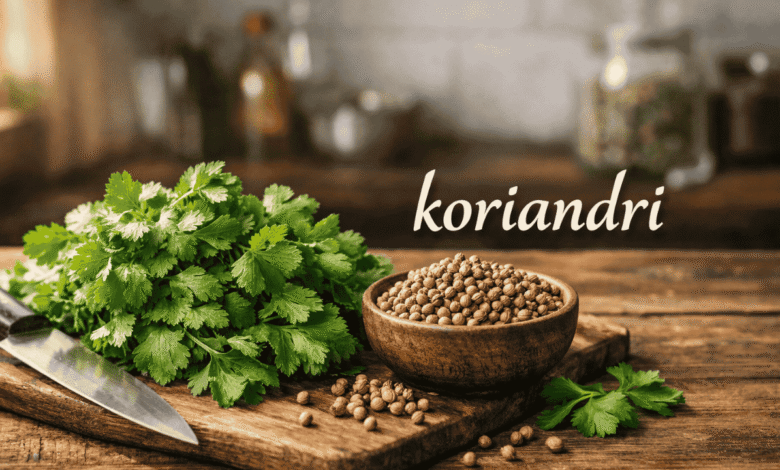
Koriandri is a versatile annual herb from the Apiaceae family, scientifically known as Coriandrum sativum, cherished globally for its aromatic fresh leaves—often called cilantro in North America—and its warm, nutty seeds. This plant thrives in temperate climates, growing quickly from seed to harvest in just a few weeks, making it a favorite for home gardeners and professional chefs alike. Its distinctive flavor profile combines bright, citrusy notes in the leaves with earthy, slightly sweet undertones in the seeds, though genetic variations mean some people perceive the leaves as soapy due to aldehydes. Despite this polarizing taste, the herb has endured for millennia as both a culinary staple and a natural remedy.
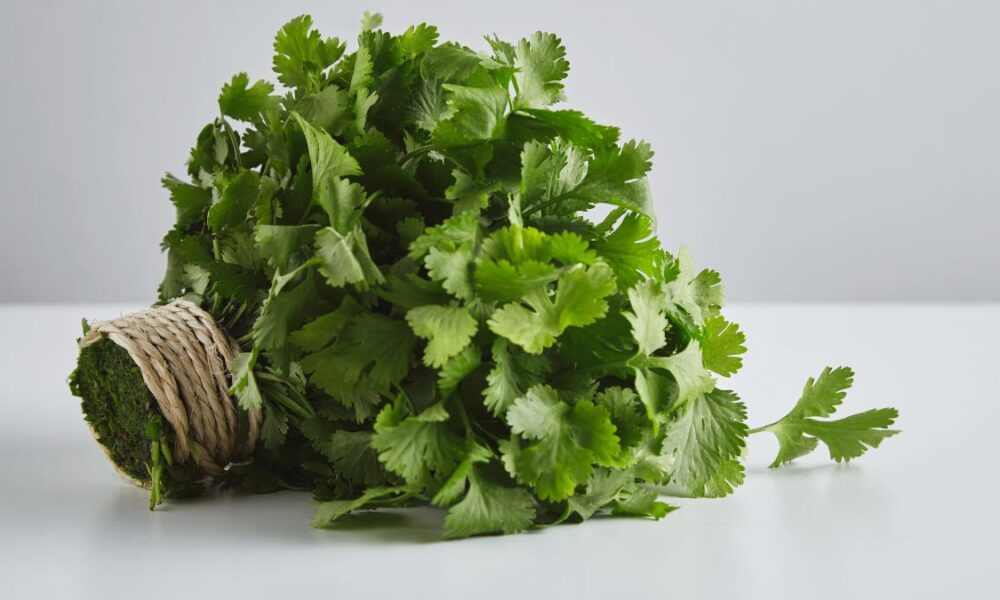
In this comprehensive exploration, we delve into the rich heritage of this plant, its time-tested applications in various cultures, the evidence-backed advantages it offers for wellness today, and practical ways to incorporate it into everyday meals. Whether you are a seasoned cook experimenting with global flavors or someone seeking natural ways to enhance health, understanding this herb opens up a world of possibilities. Its dual role as leaves for freshness and seeds for depth allows endless creativity in the kitchen while supporting holistic well-being. From ancient burial rites to modern detox trends, the story of this plant reflects humanity’s long-standing relationship with nature’s bounty.
History and Traditional Uses
The roots of this herb trace back over 3,000 years to the Mediterranean Basin, where it was cultivated extensively. Ancient Egyptians valued it highly, placing seeds in tombs as symbols of eternal love and rebirth; coriander remnants have even been found in the tomb of Tutankhamun. Greek and Roman physicians like Hippocrates and Pliny the Elder documented its use for digestive complaints, as a carminative to relieve gas, and as an ingredient in perfumes and wines. Koriandri has been a staple in traditional systems of medicine across Asia and the Middle East for centuries.

In Indian Ayurveda, the seeds (known locally as dhania) are ground into powders for spice blends like garam masala and used in decoctions to soothe indigestion, reduce inflammation, and balance doshas—particularly alleviating excess heat or Pitta. Fresh leaves appear in countless chutneys, raitas, and as a garnish for curries, symbolizing freshness and vitality; they are often offered in temples as a sacred herb. Chinese traditional medicine employs both parts to aid digestion, treat nausea, and support respiratory health, frequently brewing seed tea for colds or stomach upset.
Middle Eastern and North African cuisines integrate toasted seeds into tagines, falafel mixes, and za’atar blends, while fresh leaves brighten tabbouleh and salads. In Latin American traditions, especially Mexican and Peruvian, the leaves—cilantro—are essential in salsas, guacamole, and ceviche, introduced via Spanish colonists who carried seeds from Europe. European herbalists in the Middle Ages used it to flavor ales, breads, and sausages, believing it could ward off plagues or improve memory.
Beyond cuisine, traditional healers prepared poultices from crushed leaves for skin irritations and boils, while seed infusions served as a gentle laxative or to ease menstrual cramps. In many rural communities across South Asia and the Mediterranean, coriander seed water remains a daily tonic for gut health, prepared by soaking or boiling seeds overnight. These practices highlight the herb’s role not merely as flavoring but as a bridge between food and medicine, passed down through generations in family recipes and folk remedies. Its easy cultivation in small plots or pots further embedded it into daily life, allowing households to maintain a steady supply for both table and apothecary.
Modern Benefits
Contemporary research increasingly validates many of the traditional claims associated with this herb, positioning it as a nutrient-dense superfood in wellness circles. The leaves are packed with vitamins A, C, and K, plus folate, potassium, and antioxidants like quercetin and beta-carotene. These compounds combat oxidative stress, supporting immune function and potentially reducing chronic disease risk. A typical serving of fresh leaves provides a significant portion of daily vitamin K needs, crucial for bone health and blood clotting.
Koriandri offers notable digestive support. The seeds contain linalool and geraniol, compounds that stimulate enzyme production, easing bloating, gas, and indigestion. Clinical observations suggest coriander seed extracts may help manage irritable bowel syndrome symptoms by relaxing intestinal muscles. For heart health, preliminary studies indicate that regular consumption can lower LDL cholesterol and triglycerides while mildly reducing blood pressure, thanks to its diuretic properties and fiber content in seeds.
Blood sugar regulation is another promising area. Animal and small human trials show that coriander may enhance insulin sensitivity and inhibit carbohydrate-digesting enzymes, making it a supportive addition for those monitoring glucose levels—though it is not a substitute for medication. Its detoxifying reputation stems from chelating heavy metals like lead and mercury in some lab studies, aiding liver enzymes. Antimicrobial qualities from essential oils help combat foodborne bacteria, explaining its traditional use in preserving meats and pickling.
Skin and mental wellness benefits are emerging too. Topical applications or dietary intake of leaf extracts exhibit anti-inflammatory effects useful for acne or eczema, while the calming aroma of linalool may reduce anxiety when used in aromatherapy or teas. As a low-calorie, gluten-free ingredient, it fits perfectly into plant-based, anti-inflammatory diets popular in 2026. However, moderation is key; excessive intake may interact with certain medications or cause allergic reactions in sensitive individuals. Always consult healthcare providers before using it therapeutically, especially if pregnant or on blood thinners due to vitamin K content.
Sustainability adds to its modern appeal: the plant grows rapidly with minimal water and pesticides, supporting eco-friendly gardening and local sourcing trends that reduce carbon footprints compared to imported spices.
Delicious Recipes Featuring the Herb
Incorporating Koriandri into your cooking transforms ordinary dishes into vibrant, flavorful experiences while delivering its nutritional punch. Here are four accessible recipes that highlight both leaves and seeds, each serving 4 people and taking under 30 minutes of active preparation.
1. Classic Fresh Coriander Chutney (Indian Style) This bright green condiment pairs perfectly with samosas, grilled meats, or as a sandwich spread. Ingredients: 2 large bunches fresh coriander leaves (stems included for flavor), 1 cup fresh mint leaves, 2-3 green chilies, 1-inch ginger piece, 2 garlic cloves, juice of 1 lemon, 1 tsp roasted cumin seeds, salt to taste, 2-3 tbsp water or yogurt for creaminess.
Wash and roughly chop the herbs. Blend all ingredients in a food processor until smooth, scraping sides as needed. Adjust seasoning and consistency—thicker for dips, thinner for drizzling. Store in an airtight jar in the fridge for up to 5 days; the lemon preserves color. This chutney delivers a burst of antioxidants and aids digestion with every spoonful. Yield: about 1.5 cups. Word of advice: use fresh, crisp leaves for best results, avoiding wilted bunches.
2. Cilantro-Lime Salsa Fresca (Mexican Inspired) A zesty topping for tacos, nachos, or grilled fish. Ingredients: 4 ripe tomatoes diced, 1 small red onion finely chopped, 1-2 jalapeños seeded and minced, 1 large bunch fresh coriander leaves chopped (about 1 cup packed), 2 limes juiced, 1 tsp ground coriander seeds (toasted for depth), salt, pepper, optional avocado for creaminess.
Mix all chopped vegetables and herbs in a bowl. Add lime juice, toasted ground seeds, and seasonings. Let sit 10 minutes for flavors to meld. This no-cook recipe preserves the herb’s volatile oils for maximum aroma and vitamin retention. Serves as a low-calorie, hydrating side rich in lycopene and vitamin C.
3. Coriander Seed Digestive Tea A soothing daily tonic. Ingredients: 1 tbsp whole coriander seeds, 1-inch cinnamon stick (optional), 2 cups water, honey or lemon to taste, fresh coriander leaves for garnish.
Crush seeds lightly to release oils. Boil with water and cinnamon for 5-7 minutes, then steep 3 minutes. Strain, sweeten if desired, and garnish with chopped leaves. Drink warm after meals to promote gentle digestion. This caffeine-free option leverages the seeds’ carminative properties without overpowering flavor.
4. Easy One-Pot Chicken Curry with Fresh Leaves A weeknight favorite. Ingredients: 500g chicken pieces, 2 onions sliced, 3 tomatoes pureed, 4 garlic cloves + 1-inch ginger minced, 2 tsp ground coriander seeds, 1 tsp turmeric, 1 tsp chili powder, salt, 1 large bunch fresh coriander leaves (half chopped for cooking, half for garnish), oil, 1 cup water or coconut milk.
Sauté onions until golden, add ginger-garlic paste and spices including ground seeds. Cook 2 minutes until fragrant. Add chicken, sear, then tomatoes and liquid. Simmer 20 minutes until tender. Stir in chopped leaves in last 5 minutes, garnish with remaining herbs. The dual use of seeds for base warmth and leaves for fresh finish creates balanced layers. Serve with rice or naan.
These recipes demonstrate how the herb elevates simple ingredients without requiring exotic tools or skills. Experiment by adding seeds to roasted vegetables or leaves to smoothies for extra nutrition.
Conclusion From ancient tombs to contemporary kitchens and wellness routines, this remarkable plant continues to enrich lives through flavor, tradition, and potential health support. Embracing its uses fosters creativity in cooking and mindfulness toward natural remedies. Start small—grow a pot on your windowsill or try one recipe this week—and discover why it has captivated cultures for thousands of years. Its enduring popularity proves that the simplest herbs often hold the greatest treasures.
FAQ
Q1: What is coriander and how does it differ from cilantro? Coriander refers to the entire plant, but in many regions “cilantro” specifically means the fresh leaves while “coriander” denotes the dried seeds. They come from the same plant and offer complementary flavors.
Q2: Are there any side effects to consuming this herb regularly? Most people tolerate it well, but those with allergies to Apiaceae family plants (like carrots or parsley) should be cautious. High doses may affect blood sugar or interact with medications; moderation is recommended.
Q3: How should I store fresh leaves and seeds to maintain freshness? Wrap fresh leaves in a damp paper towel inside a plastic bag in the refrigerator for up to a week. Keep seeds in an airtight container in a cool, dark place for up to a year.
Q4: Can this herb help with weight loss? Its low-calorie profile, fiber content, and potential to improve digestion and metabolism make it a supportive addition to balanced diets, though it is not a magic solution.
Q5: Is it safe during pregnancy? In culinary amounts, yes. Large medicinal doses should be avoided without medical advice, as some traditional uses involve uterine stimulation.
Q6: How do I grow it at home? Sow seeds in well-drained soil with full sun. Water regularly but avoid waterlogging. Harvest leaves when plants reach 6 inches; let some flower for seeds.
Q7: What cuisines use it most prominently? It features heavily in Indian, Mexican, Thai, Middle Eastern, and Mediterranean dishes, showcasing its global versatility.
Q8: Does it lose nutrients when cooked? Fresh leaves retain more vitamins when added at the end of cooking. Seeds benefit from light toasting to enhance aroma without significant nutrient loss.