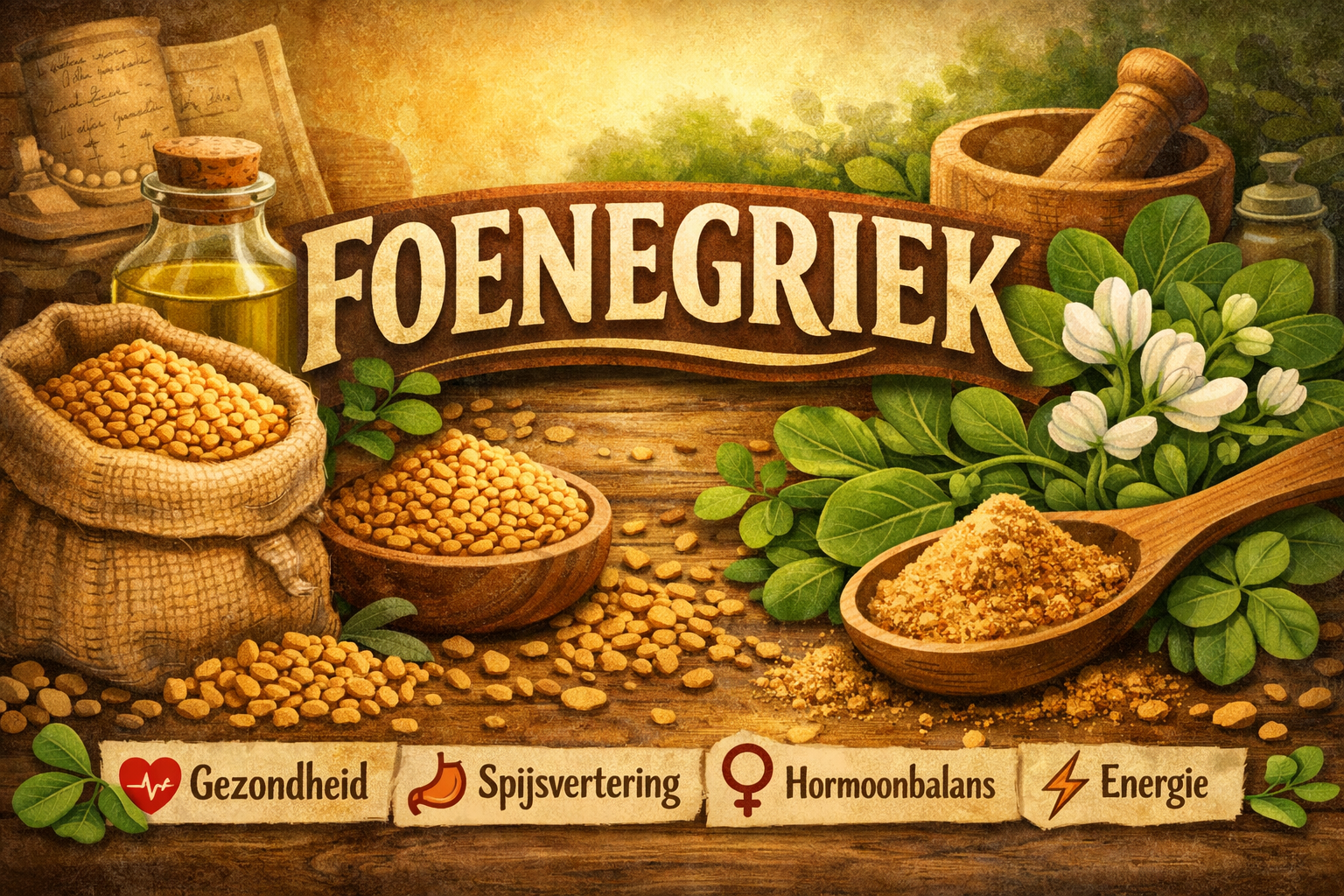
Fenugreek seeds, tiny golden-brown powerhouses packed with nutrition and tradition, have been treasured across cultures for thousands of years. From ancient Egyptian tombs to modern Indian kitchens and Ayurvedic practices, these seeds deliver a slightly bitter, maple-like aroma and a wealth of health-supporting compounds. Whether you call them methi dana in South Asian cuisine or recognize their scientific name Trigonella foenum-graecum, they stand out as a versatile superfood.
Foenegriek seeds offer an accessible way to boost daily wellness through simple dietary additions. This 1500-word guide covers their complete nutritional profile, evidence-based benefits, practical daily usage tips, and essential precautions. Discover how incorporating these seeds can support blood sugar balance, digestion, hormonal health, and more—without complicated routines or expensive supplements.

What Are Foenegriek Seeds?
Fenugreek is an annual herb in the legume family, native to the Mediterranean, southern Europe, and western Asia. It grows 2–3 feet tall with small white flowers and slender pods containing 10–20 hard, angular seeds. These seeds measure about 3–5 mm and range from pale yellow to amber-brown when mature.
Historically, fenugreek appears in records dating back to 4000 BC in Iraq and ancient Egypt, where it served as both food and medicine. Today, it thrives in India, Pakistan, China, and parts of Africa and the Middle East. In Pakistan and India, households commonly use whole seeds for tempering dal or soaking overnight for wellness drinks.
The seeds contain bioactive compounds like saponins (diosgenin), alkaloids (trigonelline), flavonoids, and high levels of soluble fiber (galactomannan). These drive most health effects. The leaves (fresh methi or dried kasoori methi) add a different flavor profile but share some benefits. Focus here stays on the seeds for their concentrated nutrition and ease of storage.
Foenegriek seeds remain shelf-stable for years when kept in airtight containers away from light and moisture, making them ideal for everyday use. Their mild bitterness softens with soaking, sprouting, or light roasting.
Nutrition Facts of Fenugreek Seeds
Fenugreek seeds deliver impressive nutrition in small servings. One tablespoon (about 11 grams) of whole seeds provides:
- Calories: 35
- Protein: 3 grams (6% DV)
- Carbohydrates: 6 grams
- Dietary Fiber: 3 grams (11% DV)
- Fat: 1 gram
- Iron: 3.72 mg (21% DV)
- Manganese: 0.137 mg (6% DV)
- Magnesium: 21 mg (5% DV)
Scaled to 100 grams, the profile becomes even more impressive: approximately 323 calories, 23 grams protein, 58 grams carbohydrates (with 25 grams fiber), and 6 grams fat. They supply notable amounts of calcium, phosphorus, potassium, zinc, and B vitamins, especially B6 and folate.
The standout nutrient is soluble fiber—nearly 50% of the seed’s carbohydrate content. Galactomannan forms a viscous gel in the gut, slowing digestion and promoting satiety. Protein quality is decent for a plant source, with balanced amino acids that complement grains or dals. Iron content helps combat deficiency, common in many regions, while magnesium supports muscle and nerve function.
Antioxidants such as polyphenols and flavonoids add anti-inflammatory potential. Unlike many spices, fenugreek seeds provide meaningful calories and macros without excess fat or sodium. They qualify as gluten-free, vegan, and low-glycemic despite their carbohydrate content, thanks to the fiber.
This dense nutrient package explains why even 1–2 teaspoons daily can meaningfully contribute to daily requirements for fiber, minerals, and plant compounds.
Key Health Benefits Backed by Research
1. Supports Healthy Blood Sugar Levels
Multiple studies highlight fenugreek’s effectiveness for blood glucose management. In people with type 2 diabetes, 5 grams of seed powder twice daily for two months reduced fasting blood sugar, HbA1c, and belly fat. The fiber slows carbohydrate absorption, while 4-hydroxyisoleucine stimulates insulin release and improves sensitivity.
Even in healthy individuals, replacing refined flour with fenugreek powder in baked goods lowers post-meal blood sugar spikes. This makes the seeds particularly useful for prediabetes or insulin resistance. Effects appear within weeks of consistent use.
2. May Boost Testosterone and Libido in Men
Clinical trials show promise for male hormonal health. Men taking 300–600 mg of standardized fenugreek extract daily for 6–8 weeks, combined with resistance training, experienced higher testosterone, increased strength, reduced body fat, and improved libido. One 2020 study with 138 men confirmed lean mass gains and fat loss at 600 mg.
These benefits likely stem from saponins that inhibit enzymes converting testosterone to estrogen. While results vary, evidence supports fenugreek as a natural option for men seeking hormonal support without synthetic interventions.
3. Enhances Breast Milk Production in Nursing Mothers
Fenugreek ranks among the most researched galactagogues. Mothers drinking fenugreek tea or taking 1–6 grams daily reported 50–100% increases in milk volume within days. Newborns of supplemented mothers showed better weight gain. A 2020 study using soaked seeds confirmed higher urination frequency and weight gain in infants.
The mechanism involves diosgenin, a phytoestrogen-like compound. Most studies report no adverse effects in infants when mothers use moderate doses. Always consult a lactation consultant or doctor before starting.
4. Aids Digestion and Cholesterol Management
High soluble fiber acts as a prebiotic, feeding beneficial gut bacteria and relieving constipation. Traditional use for heartburn finds support in a small study where fenugreek matched antacid effectiveness. It also lowers total and LDL cholesterol while raising HDL in some trials.
Appetite control emerges as another benefit—participants in one study spontaneously reduced fat intake by 17% after regular consumption, likely due to increased fullness from the gel-forming fiber.
5. Additional Promising Benefits
Preliminary research suggests anti-inflammatory effects, potential cancer-protective properties in lab studies (inhibiting prostate cancer cell growth without harming normal cells), and relief from menstrual cramps. Some evidence points to improved exercise performance and reduced oxidative stress. While more large-scale human trials are needed, the safety profile and traditional use make daily inclusion low-risk for most people.
How to Use Foenegriek Seeds Daily
Incorporating these seeds requires no major lifestyle overhaul. Start with 1 teaspoon (about 3–5 grams) and gradually increase to 1–2 tablespoons daily. Here are practical methods:
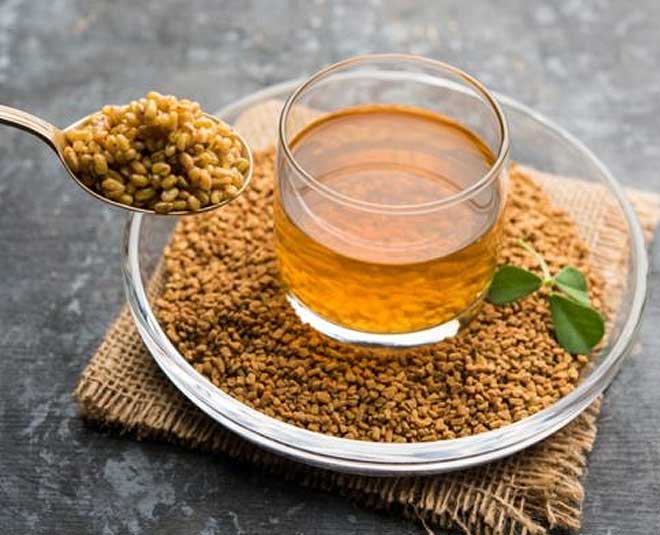
Morning Soak or Tea: Soak 1 teaspoon overnight in a glass of water. Drink the water and chew the softened seeds on an empty stomach. For tea, simmer 1 teaspoon crushed seeds in 1 cup water for 5–10 minutes, strain, and add honey or lemon. This routine supports digestion and blood sugar stability all day.
Sprouting: Soak seeds 8–12 hours, then rinse twice daily for 2–3 days until sprouts appear. Add to salads, sandwiches, or smoothies for milder flavor and extra enzymes/vitamins.
Cooking Applications: Lightly roast seeds to reduce bitterness, then use whole in tadka (tempering) for dal, curries, or vegetables. Grind into powder for rubs, spice blends (garam masala, panch phoron), or to thicken gravies and soups. Add ½ teaspoon to idli/dosa batter for better fermentation and flavor.
Simple Recipes to Try Daily:
- Fenugreek Water Smoothie: Blend soaked seeds with banana, spinach, yogurt, and ginger.
- Spiced Lentil Stew: Temper cumin and Foenegriek seeds in ghee, add to masoor dal with turmeric and tomatoes.
- Roasted Seed Snack: Roast 2 tablespoons with salt and cumin; eat a small handful as a crunchy mid-day snack.
- Methi Paratha Stuffing: Mix ground seeds with mashed potatoes or paneer for flatbreads.
- Overnight Oats Boost: Stir 1 teaspoon powder into oats with milk and fruits.
Consistency matters more than quantity. Track effects for 4–6 weeks. Combine with balanced meals for best results—pair with carbs for blood sugar benefits or protein for satiety.
Precautions and Side Effects
Fenugreek is generally safe when used as food or in moderate supplemental doses (up to 5–10 grams powder daily for years). Possible mild side effects include diarrhea, gas, or maple-syrup-like body odor (harmless but noticeable).
Avoid high doses during pregnancy due to potential uterine stimulation. Those with peanut or legume allergies should test cautiously. It may enhance blood sugar-lowering medications, so monitor glucose levels. Stop 2 weeks before surgery due to mild blood-thinning effects. Consult a doctor if you take thyroid medication, blood thinners, or have hormone-sensitive conditions.
Conclusion
Fenugreek seeds represent one of nature’s most accessible superfoods—affordable, storable, and versatile. Their fiber, minerals, and bioactive compounds deliver measurable support for metabolic health, digestion, hormonal balance, and lactation when used consistently.
Foenegriek seeds prove that small daily habits yield significant long-term rewards. Start today with a simple soaked-seed routine or roasted addition to your favorite curry. Listen to your body, combine with a varied diet and exercise, and enjoy the subtle maple notes and wellness benefits. Your pantry staple just became your daily health ally.
FAQ
Q1: What is the recommended daily dosage of fenugreek seeds? A: Most studies use 5–10 grams (1–2 teaspoons) of powder or 1–2 tablespoons whole seeds daily. Start low and increase gradually. For specific goals like lactation or blood sugar, follow studied doses (e.g., 1–6 grams for milk production) and consult a healthcare provider.
Q2: Can I take fenugreek seeds every day long-term? A: Yes, they are commonly consumed as food for years with good safety data. Rotate forms (whole, powder, sprouted) and monitor for any digestive changes.
Q3: Do fenugreek seeds help with weight loss? A: Indirectly—high fiber promotes fullness and may reduce calorie intake. Some studies show modest fat loss when combined with diet and exercise, but they are not a magic solution.
Q4: How do I reduce the bitter taste? A: Soak overnight, sprout, lightly roast, or combine with sweet/spicy ingredients like honey, lemon, cumin, or garlic.
Q5: Are there differences between whole seeds, powder, and supplements? A: Whole seeds offer full fiber benefits when chewed or soaked. Powder integrates easily into cooking. Supplements provide standardized extracts for targeted effects but may lack full-spectrum nutrition.
Q6: Can men and women both benefit equally? A: Yes, though men often notice testosterone/libido effects and women lactation or menstrual relief. Core benefits like blood sugar and digestion apply to everyone.
Q7: Where can I buy high-quality Foenegriek seeds locally? A: Look for organic whole seeds at spice shops, Indian/Pakistani grocery stores (as methi dana), or online. Check for freshness—seeds should be hard, uniform in color, and aromatic when crushed.
Q8: Will fenugreek make my urine or sweat smell like maple syrup? A: Possibly in higher doses due to sotolon compound. It is harmless and fades when intake stops; some people find it pleasant.
This FAQ provides quick answers to common questions for safe, effective daily use. Always prioritize whole-food sources and professional medical advice for personalized needs.