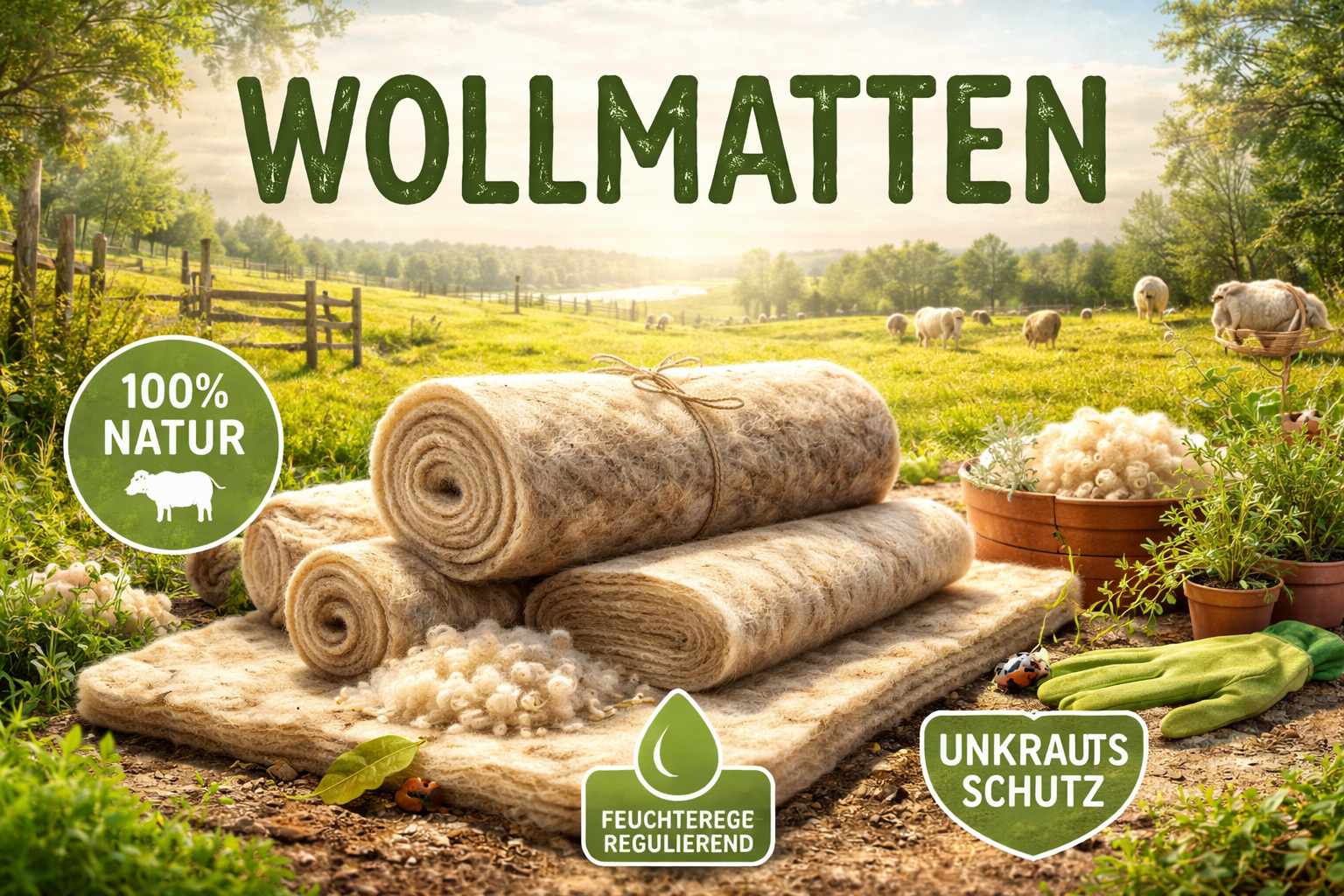
In an era where consumers are increasingly prioritizing eco-friendly and comfortable living solutions, Wollmatten stand out as a remarkable choice. Derived from the German words for “wool” and “mats,” Wollmatten are dense, natural wool mats crafted from sheep’s wool through processes like felting or needle-punching. These versatile products offer a blend of traditional craftsmanship and modern sustainability, making them ideal for flooring, insulation, yoga mats, garden mulching, and more. Whether you’re redesigning your home for better comfort or seeking sustainable alternatives to synthetic materials, Wollmatten provide compelling benefits. This article explores the top reasons to choose Wollmatten, delving into their comfort features, environmental advantages, and practical applications. By the end, you’ll understand why these wool mats are gaining popularity in 2026 and beyond.
1. Unmatched Comfort Through Natural Properties
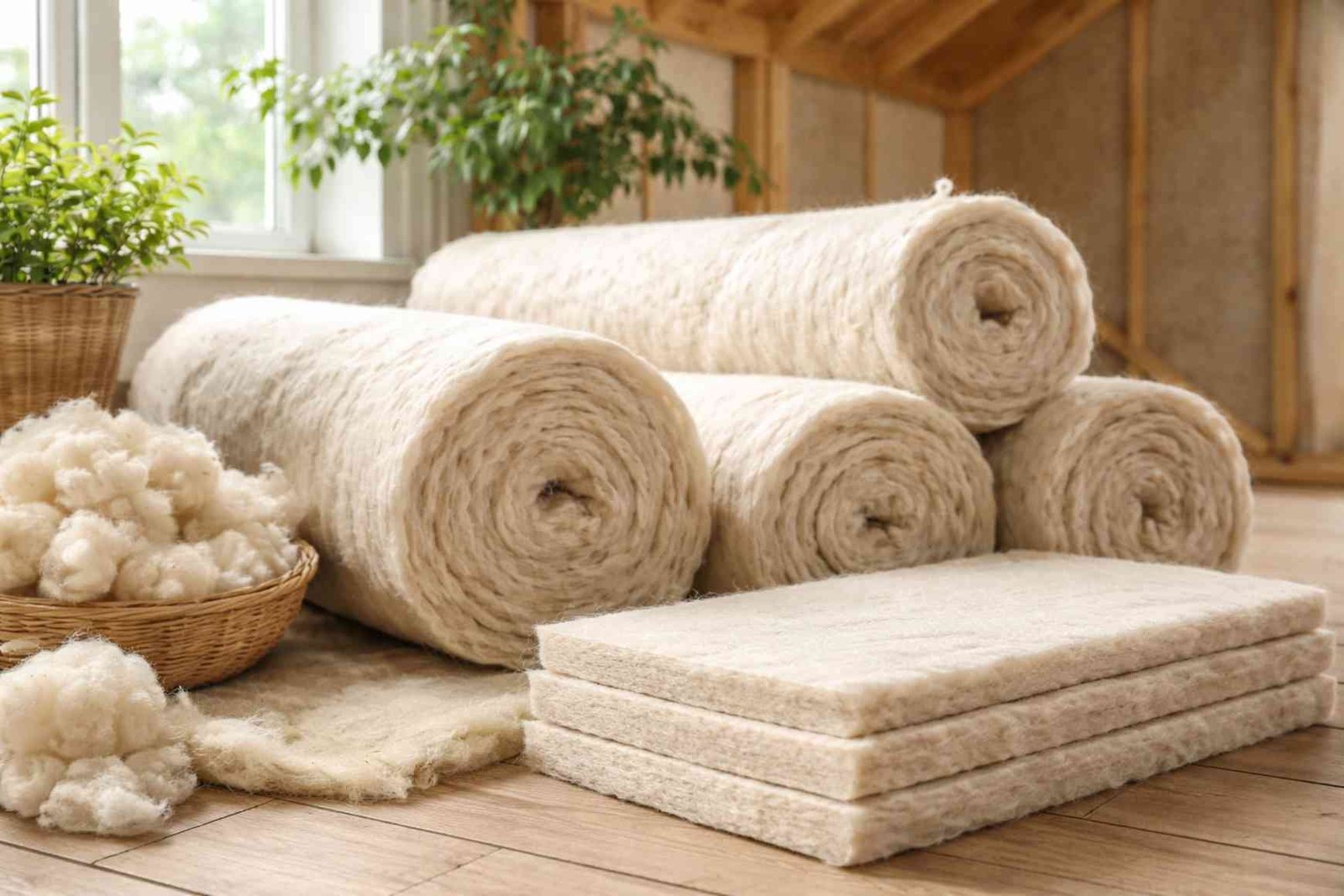
One of the primary reasons to opt for Wollmatten is their exceptional comfort, which stems directly from the inherent qualities of wool. Unlike synthetic mats made from plastic or foam, Wollmatten offer a soft, cushioned surface that feels luxurious underfoot. The wool fibers create a plush texture that adapts to body pressure, providing support without the rigidity often found in rubber or PVC alternatives. This makes Wollmatten perfect for high-traffic areas like living rooms or bedrooms, where comfort is paramount.
Wool’s natural crimp—the wavy structure of the fibers—allows Wollmatten to trap air pockets, acting as a thermal regulator. In colder months, these mats retain heat, keeping floors warm and cozy. During warmer seasons, they wick away moisture and promote airflow, preventing that sticky, uncomfortable feeling associated with non-breathable materials. Studies on natural insulators show that wool can absorb up to 30% of its weight in moisture without feeling damp, enhancing overall comfort in humid environments.
Moreover, Wollmatten excel in acoustic comfort. Their dense composition absorbs sound waves, reducing echo and noise pollution in homes or offices. This is particularly beneficial in urban settings where external sounds can disrupt peace. Imagine stepping onto a Wollmatten rug after a long day—the gentle give under your feet, combined with the quieting effect, creates a serene atmosphere that synthetic options simply can’t replicate.
For those with joint issues or who practice yoga, Wollmatten provide gentle cushioning that supports alignment without slipping. Their non-slip backing, often integrated naturally through the felting process, ensures stability during movements. Users report reduced fatigue and improved relaxation, making Wollmatten a go-to for wellness routines.
2. Sustainability at the Core: Eco-Friendly Production and Lifecycle
Sustainability is a key driver for choosing Wollmatten, as they embody principles of renewable resource use and minimal environmental impact. Sheep’s wool is a byproduct of farming, harvested annually without harming the animals, making it a renewable material. Unlike petroleum-based synthetics that contribute to fossil fuel depletion, Wollmatten production supports ethical sheep farming and reduces waste in the agricultural sector.
The manufacturing process of Wollmatten is low-energy and chemical-free in many cases. Traditional felting involves mechanical interlocking of fibers using water and pressure, avoiding harsh adhesives or dyes that pollute waterways. Modern innovations, such as blending wool with natural fibers like hemp, further enhance durability while maintaining eco-credentials. This results in products with a lower carbon footprint—wool mats can sequester carbon during growth, offsetting emissions.
At the end of their life, Wollmatten are fully biodegradable, breaking down in soil without leaving microplastics behind. This contrasts sharply with synthetic mats that linger in landfills for centuries. By choosing Wollmatten, consumers contribute to a circular economy, where materials return to the earth harmlessly. In gardening applications, for instance, old Wollmatten can be used as mulch, enriching soil with nutrients as they decompose.
Furthermore, Wollmatten promote energy efficiency in homes. As insulation, they reduce heating and cooling needs by up to 20%, lowering utility bills and greenhouse gas emissions. This dual benefit of personal savings and planetary health makes them a smart, sustainable investment.
3. Durability That Stands the Test of Time
While comfort and sustainability are appealing, the longevity of Wollmatten ensures they deliver value over years. Wool’s natural resilience—thanks to proteins like keratin—makes these mats resistant to wear, compression, and pests. Unlike foam mats that flatten quickly, Wollmatten retain their shape and loft, even under heavy use.
Their water-repellent properties, due to lanolin in wool, protect against stains and mold, extending usability in damp areas like bathrooms or kitchens. This durability translates to fewer replacements, reducing consumption and waste. In commercial settings, such as hotels or offices, Wollmatten have been shown to outlast synthetic counterparts by 2-3 times, offering cost savings in the long run.
Maintenance is straightforward: vacuuming and occasional spot-cleaning keep them looking new. For deeper cleans, natural methods like sun exposure leverage wool’s antimicrobial qualities, avoiding chemical cleaners that harm the environment.
4. Health and Wellness Benefits
Wollmatten contribute to healthier living spaces, another top reason for selection. Wool is naturally hypoallergenic, resisting dust mites, bacteria, and allergens that plague synthetic materials. This is crucial for allergy sufferers, as Wollmatten don’t off-gas volatile organic compounds (VOCs) like many foams do, improving indoor air quality.
The moisture-wicking ability prevents mold growth, reducing respiratory issues. In bedrooms, Wollmatten under mattresses regulate temperature for better sleep, with studies linking natural fibers to deeper rest cycles. For families with children or pets, the non-toxic nature ensures safety without compromising on softness.
Aesthetically, Wollmatten come in natural tones and patterns, blending seamlessly with decor while promoting a calming, organic vibe. This holistic approach to health—physical, mental, and environmental—sets them apart.
5. Versatility Across Applications
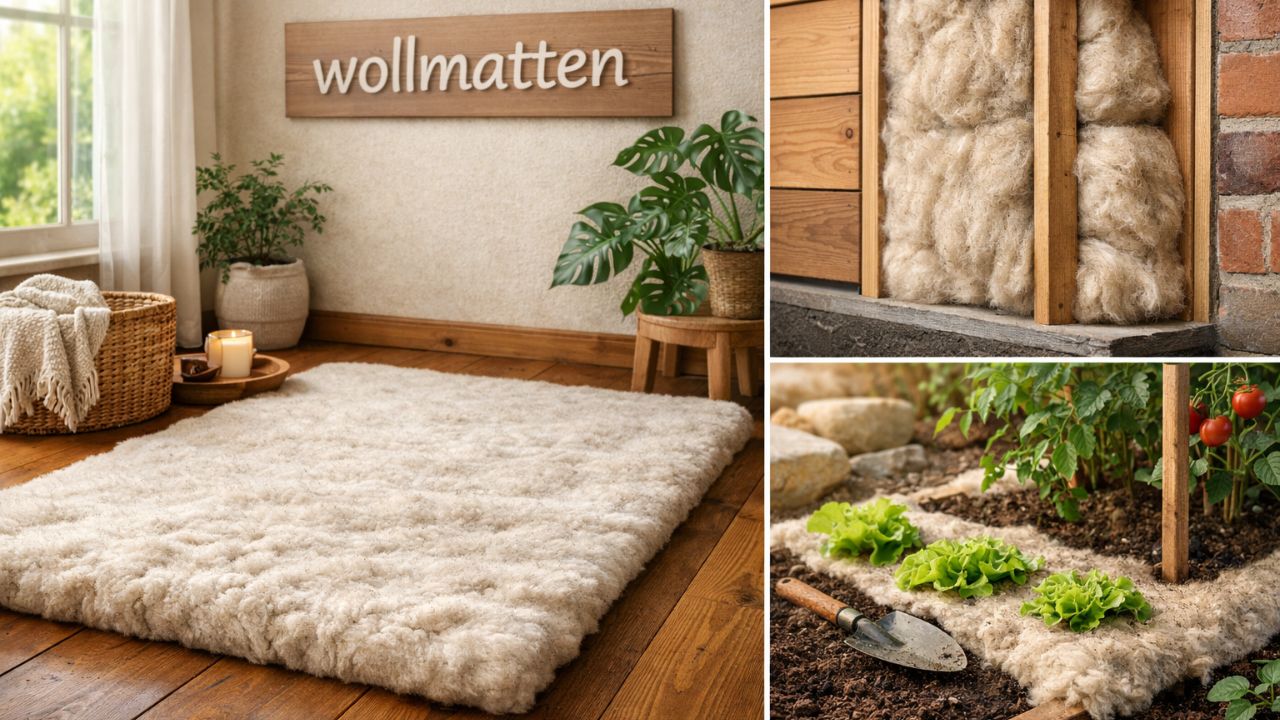
The adaptability of Wollmatten makes them suitable for diverse uses, from home decor to industrial applications. As floor coverings, they add warmth to hardwood or tile. In construction, they serve as underlayment or wall insulation, enhancing energy efficiency.
Outdoors, Wollmatten function as garden mats, suppressing weeds and retaining soil moisture. For creative pursuits, they can be cut into custom shapes for crafts or pet beds. This multifunctionality maximizes utility, making Wollmatten a versatile choice for sustainable lifestyles.
Conclusion
Choosing Wollmatten for comfort and sustainability means investing in a product that harmonizes luxury with eco-responsibility. From their soft, adaptive feel to their renewable origins and long-lasting performance, Wollmatten address modern needs effectively. As awareness grows, these wool mats are poised to become staples in conscious households. Whether for personal comfort or planetary good, Wollmatten deliver on all fronts.
FAQ
What are Wollmatten made from?
Wollmatten are primarily made from natural sheep’s wool, processed through felting or needle-interlocking to create dense mats.
Are Wollmatten eco-friendly?
Yes, they are renewable, biodegradable, and produced with low environmental impact, making them a sustainable alternative to synthetics.
How do I clean Wollmatten?
Regular vacuuming suffices; for stains, use mild soap and water. Avoid machine washing to preserve structure.
Can Wollmatten be used outdoors?
Absolutely, they work well as garden mulch or mats, thanks to their durability and moisture management.
Are Wollmatten suitable for people with allergies?
Wollmatten are hypoallergenic and resist dust mites, making them ideal for allergy-prone individuals.
How long do Wollmatten last?
With proper care, they can last 10-15 years or more, outlasting many synthetic options.
Where can I buy Wollmatten?
They are available from specialty eco-stores, online retailers focusing on sustainable goods, or directly from artisans.