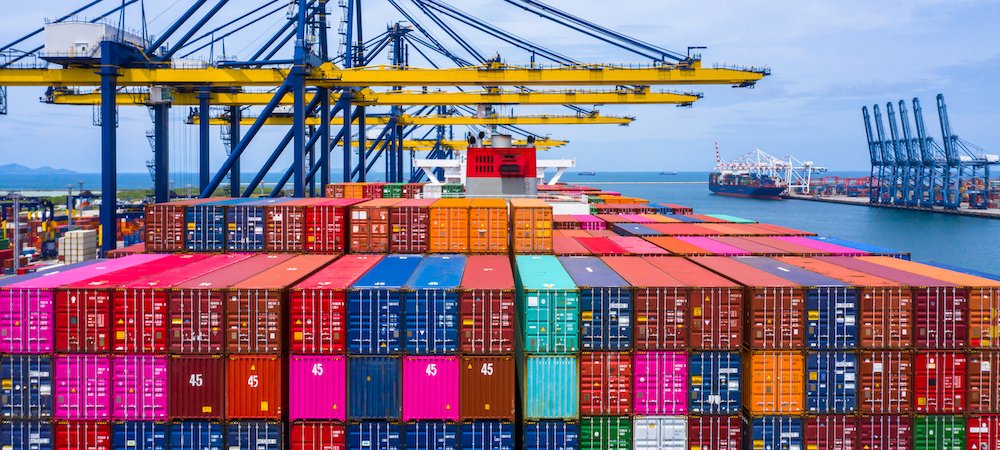
In today’s fast-paced global supply chain, the choice between a Private Freight Terminal and public facilities can make or break logistics efficiency, costs, and reliability. A Private Freight Terminal is a privately owned and operated hub designed specifically for cargo handling, storage, and transfer—often rail-connected, truck-oriented, or integrated with ports. Unlike shared public facilities managed by government authorities or port operators, these terminals give businesses direct control over operations tailored to their unique needs.
The distinction matters more than ever as freight volumes surge due to e-commerce, manufacturing growth, and just-in-time delivery demands. Public facilities, while accessible and often subsidized, frequently suffer from congestion, standardized processes, and limited customization. In contrast, a Private Freight Terminal offers speed, security, and flexibility—but at a premium. This article breaks down the core differences across ownership, operations, costs, technology, and more to help shippers, manufacturers, and logistics managers decide which model suits their operations best. By the end, you’ll understand exactly when investing in or partnering with a Private Freight Terminal delivers superior results.
What Is a Private Freight Terminal?
A Private Freight Terminal functions as a dedicated logistics gateway built and run by private companies rather than public entities. These facilities typically include rail sidings, loading docks, warehousing, container yards, and specialized equipment for bulk, break-bulk, or containerized cargo. In many regions—particularly in India’s railway network—Private Freight Terminals (PFTs) connect directly to mainline tracks, allowing seamless rail-to-road or rail-to-rail transfers without relying on crowded public yards.
Ownership rests entirely with private operators who invest capital in infrastructure, technology, and staffing. This model emerged from public-private partnerships (PPPs) and privatization trends, enabling industries to bypass bottlenecks in government-run terminals. For example, companies in cement, steel, agriculture, coal, chemicals, and container logistics frequently develop or lease Private Freight Terminals to handle high-volume or specialized shipments.
Key features include customized layouts, operator-controlled scheduling, and purpose-built equipment. A Private Freight Terminal can operate extended hours, implement proprietary safety protocols, and integrate advanced tracking systems without waiting for public approvals. Congestion is minimized because access is restricted to approved users or the owner’s supply chain partners. In practice, this translates to faster turnaround times—often 30-50% quicker than public alternatives—reducing demurrage fees and improving inventory velocity.
Industries benefiting most include heavy manufacturing, energy producers, and exporters needing predictable service. A Private Freight Terminal becomes an extension of the production line itself, where cargo moves from factory gate to rail or truck under one controlled ecosystem.
Understanding Public Freight Facilities
Public freight facilities encompass government-owned or authority-managed terminals at ports, rail yards, truck stops, and intermodal hubs. These are financed through taxes, user fees, or bonds and operated under standardized regulations to serve multiple shippers, carriers, and the general public.
Public facilities prioritize broad accessibility and national infrastructure goals. A typical public rail terminal, for instance, is managed by national railway authorities or port commissions. Ships, trains, and trucks queue under centrally scheduled slots. Storage areas, cranes, and gates are shared, creating economies of scale for smaller or occasional users but often leading to peak-time delays.
Regulations are strict: environmental standards, labor rules, and security protocols follow public mandates. While this ensures fairness, it limits customization. A public facility cannot easily adjust hours for one client or install proprietary automation without lengthy approvals. Congestion is common—especially at major ports or rail hubs—where multiple unrelated operators compete for the same resources.
Despite drawbacks, public facilities remain essential for cost-sensitive or variable-volume shippers. They offer lower entry barriers, subsidized infrastructure in some cases, and integration with national transport networks. Smaller businesses, seasonal exporters, or those without capital for private infrastructure rely heavily on them.
Key Differences: Side-by-Side Comparison
1. Ownership and Governance Private Freight Terminals are owned by corporations or consortia. Decision-making is agile; investments reflect market demand. Public facilities fall under government or quasi-public authorities, subject to political priorities, budgets, and bureaucracy. This fundamental difference drives every other contrast. A Private Freight Terminal can pivot quickly to new cargo types or technologies, while public ones follow multi-year planning cycles.
2. Operational Control and Flexibility Control is the hallmark of a Private Freight Terminal. Operators set their own schedules, staffing levels, and processes. Customized workflows accommodate specialized cargo—temperature-controlled, hazardous, or oversized—without sharing resources. Public facilities enforce uniform rules: fixed operating windows, shared equipment queues, and standardized handling fees. Flexibility suffers when demand spikes; a Private Freight Terminal maintains predictable throughput even during surges.
3. Efficiency and Congestion Efficiency metrics favor Private Freight Terminals. Lower congestion means shorter dwell times for containers or wagons. Rail operators report turnaround improvements of hours or days compared to public yards. Public facilities often face chronic delays from mixed traffic, regulatory inspections, and competing priorities. A Private Freight Terminal’s dedicated infrastructure eliminates these friction points, boosting overall supply-chain velocity.
4. Cost Structures Upfront capital costs for a Private Freight Terminal are significantly higher—land acquisition, rail connectivity, equipment, and compliance can run into millions. However, long-term operational savings accrue through reduced delays, lower demurrage, and optimized labor. Public facilities charge lower per-use fees but impose hidden costs via waiting times, storage surcharges, and unpredictable service. Smaller shippers prefer public options for variable costs; high-volume users amortize Private Freight Terminal investments rapidly.
5. Technology and Innovation Private operators invest aggressively in automation, IoT tracking, AI-driven scheduling, and green technologies to stay competitive. A Private Freight Terminal might feature automated cranes, real-time cargo visibility, or drone inspections. Public facilities adopt innovations more slowly due to procurement rules and budget constraints. The result: Private Freight Terminals often lead in digital integration and predictive maintenance.
6. Security and Safety Enhanced security is a major Private Freight Terminal advantage. Controlled access, 24/7 CCTV, biometric systems, and private security teams reduce theft and damage risks. Public facilities, while regulated, serve diverse users and face higher exposure. Insurance premiums and cargo claims are typically lower at Private Freight Terminals.
7. Environmental and Regulatory Considerations Both models must comply with environmental laws, but Private Freight Terminals can exceed standards—installing solar power, electric handling equipment, or noise-reduction measures—to meet ESG goals or gain competitive edges. Public facilities follow baseline regulations but may lag in proactive sustainability due to broader mandates. Regulatory oversight is stricter for public entities, yet Private Freight Terminals navigate complex permitting faster once approved.
8. Access and Scalability Public facilities excel in open access: any qualified shipper can use them on a pay-per-use basis, scaling effortlessly with demand fluctuations. A Private Freight Terminal restricts access to owners, tenants, or approved partners, offering exclusivity but potentially limiting growth if volumes exceed design capacity. Hybrid models (leased slots within Private Freight Terminals) bridge this gap.
Advantages and Disadvantages
Advantages of Private Freight Terminals
- Full operational sovereignty and customization
- Reduced congestion and faster turnaround
- Superior security and cargo protection
- Long-term cost predictability for high-volume users
- Innovation leadership and tailored technology
- Seamless integration with private supply chains
Disadvantages
- High initial capital investment
- Limited scalability for sporadic or low-volume needs
- Potential isolation from national networks if not well-connected
- Complex regulatory approvals during setup
Advantages of Public Facilities
- Lower entry costs and pay-as-you-go pricing
- Broad accessibility for diverse users
- Government-backed infrastructure maintenance
- Ability to handle variable demand spikes
Disadvantages
- Congestion and scheduling unpredictability
- Limited customization and slower innovation
- Higher risk of delays and ancillary fees
- Shared resources reduce control
For businesses shipping consistent high volumes—cement plants, steel mills, or large agricultural exporters—a Private Freight Terminal often delivers 15-25% efficiency gains and measurable ROI within 3-5 years. Occasional or small-volume shippers benefit more from public facilities’ flexibility.
Real-World Examples and Case Studies
In India, Indian Railways has licensed dozens of Private Freight Terminals under its PFT policy. Companies like Adani Ports, DP World, and private players such as M/s Uttam Value Steel or Vimla Infrastructure operate PFTs serving steel, cement, and container traffic. These facilities report significantly lower congestion than public sidings and have boosted rail modal share by offering dedicated handling.
Globally, major ports follow the “landlord” model: public authorities own land and infrastructure, while private operators lease and run specialized terminals. DP World’s terminals in multiple countries exemplify how private management within public ports combines scale with efficiency. In the U.S., private intermodal terminals operated by railroads or logistics firms serve major manufacturers, bypassing overcrowded public hubs.
A notable trend is the rise of dedicated Private Freight Terminals on dedicated freight corridors, where private investment has accelerated capacity where public funding lagged.
Choosing the Right Model: Factors to Consider
Evaluate your annual volume, cargo type, geographic needs, capital availability, and risk tolerance. High-volume, time-sensitive operations with specialized requirements tilt toward a Private Freight Terminal. Variable or low-volume shippers thrive with public facilities or hybrid arrangements. Conduct a total-cost-of-ownership analysis, factoring delays, security, and scalability. Many operators now explore joint ventures or slot-leasing within Private Freight Terminals to balance control and cost.
Conclusion
The choice between a Private Freight Terminal and public facilities ultimately hinges on strategic priorities: control and efficiency versus accessibility and affordability. As supply chains grow more complex and customers demand faster, greener, and more reliable delivery, Private Freight Terminals are expanding rapidly—particularly where private capital meets public infrastructure gaps. Understanding these key differences empowers logistics leaders to optimize their networks, reduce costs, and gain competitive advantage. Whether building your own Private Freight Terminal or leveraging public assets wisely, the right decision today shapes tomorrow’s supply-chain resilience.
FAQ: Private Freight Terminals vs Public Facilities
1. What exactly is a Private Freight Terminal? A Private Freight Terminal is a cargo-handling facility owned and operated by a private company. It provides dedicated infrastructure—rail sidings, warehouses, docks—for specific shippers or tenants, offering customized services unlike shared public terminals.
2. How does a Private Freight Terminal differ from a public freight facility? The core differences lie in ownership (private vs. government), control (high customization vs. standardized rules), congestion levels (lower vs. higher), and flexibility (operator-managed vs. centrally scheduled). A Private Freight Terminal prioritizes speed and exclusivity; public facilities emphasize broad access.
3. Who benefits most from using a Private Freight Terminal? High-volume industries such as cement, steel, agriculture, coal, chemicals, and container logistics benefit most. They gain faster turnaround, better security, and tailored operations that justify the investment.
4. Are Private Freight Terminals more expensive than public ones? Initial setup and leasing costs are higher, but long-term savings from reduced delays, lower demurrage, and optimized handling often make them cheaper for consistent shippers. Public facilities have lower per-use fees but higher indirect costs from congestion.
5. Can small businesses use a Private Freight Terminal? Yes—through slot leasing, shared-user models, or partnerships. Many Private Freight Terminals now offer flexible access to accommodate smaller or variable-volume clients.
6. What are the main advantages of Private Freight Terminals over public facilities? Key advantages include greater control, faster processing, superior security, reduced congestion, and innovation in technology and sustainability.
7. Do Private Freight Terminals face more regulatory hurdles? They must comply with the same safety, environmental, and customs rules as public facilities, but private operators can often implement solutions faster once permits are secured.
8. Are there environmental benefits to choosing a Private Freight Terminal? Yes. Private operators frequently invest in green technologies—electric equipment, solar power, or efficient routing—beyond minimum public standards to meet ESG targets and cut costs.
9. How do I decide between a Private Freight Terminal and public facilities for my business? Analyze your cargo volume, frequency, sensitivity to delays, and capital budget. High-volume, time-critical operations favor Private Freight Terminals; occasional or budget-focused shippers usually choose public options.
10. Where can I find examples of Private Freight Terminals? Look at Indian Railways’ PFT list, major port operators like DP World, or private intermodal yards run by logistics firms worldwide. Many are listed on national transport authority websites or industry directories.