Introduction
In today’s connected world, Bluetooth thermometers have revolutionized how we monitor temperature in various settings, from kitchens to medical environments. A Bluetooth thermometer allows users to track readings wirelessly via smartphones or tablets, providing convenience and real-time data. But the key question remains: how accurate are these devices? This comprehensive guide explores the accuracy of Bluetooth thermometers, delving into their technology, applications, and limitations. We’ll examine factors influencing precision, compare them to traditional options, and highlight best practices. Whether you’re a home cook ensuring perfectly grilled meat or a parent monitoring a child’s fever, understanding the reliability of a Bluetooth thermometer is essential.
Bluetooth thermometers come in diverse forms, including those for culinary use, medical purposes, and even industrial applications. Their accuracy can vary based on design, sensor type, and usage conditions. Studies and reviews indicate that high-quality models can achieve precision within ±0.5°F to ±1°F for internal temperatures, but ambient readings might lag. This guide aims to equip you with the knowledge to choose and use these devices effectively.
What Is a Bluetooth Thermometer?
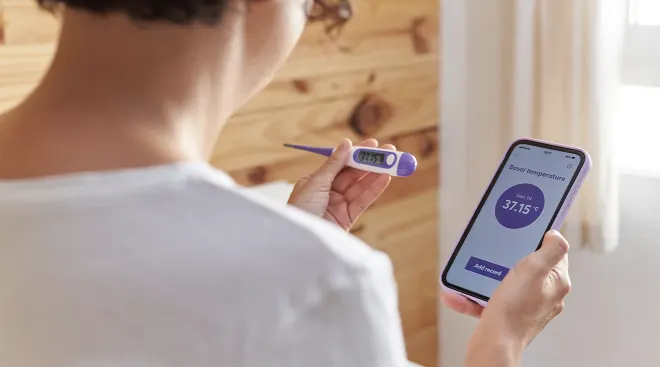
A Bluetooth thermometer is a wireless device that measures temperature and transmits data to a paired device, typically through Bluetooth technology. Unlike traditional thermometers, which require manual reading, these connect to apps for alerts, logging, and analysis. The core components include a sensor (often a thermocouple or thermistor), a Bluetooth module for connectivity, and sometimes a display screen.
For instance, in cooking, a Bluetooth thermometer might feature probes inserted into food, sending updates to your phone so you can monitor without hovering over the grill. In medical contexts, wearable or infrared versions track body temperature continuously, aiding in fever detection. The appeal lies in their hands-free operation, but accuracy depends on calibration and environmental factors. According to experts, Bluetooth thermometers measure temperatures in real-time with reliable readings when properly used.
Types of Bluetooth Thermometers
Bluetooth thermometers aren’t one-size-fits-all. They cater to specific needs, and their accuracy profiles differ accordingly.
Culinary Bluetooth Thermometers
These are popular for grilling, smoking, and baking. Models like the Meater Pro or ThermoPro TempSpike use probes to gauge internal meat temperatures. Tests show they can be accurate within ±0.5°F for core readings, but ambient temperature sensors might deviate by up to 50°F initially, stabilizing over time. For example, in a 7-hour cook test, truly wireless probes eventually matched wired accuracy.
Pros: Real-time app notifications prevent overcooking. Cons: Bluetooth range is typically 100-500 feet, and connectivity can falter in crowded signals.
Medical Bluetooth Thermometers
In healthcare, Bluetooth thermometers include ear, forehead, or wearable dermal types like the iThermonitor or Beurer FT95. These often use infrared or thermistor sensors. Studies reveal they agree well with core measurements, with mean differences as low as 0.03°C ±0.35°C compared to mercury thermometers. However, dermal versions may underestimate by 0.7-1.18°C, requiring adjustments for fever detection.
Sensitivity for detecting fevers (≥38°C) ranges from 0.33 to 0.6 unadjusted, improving to 0.60-0.80 with bias correction. High specificity (0.96-1.00) means few false positives, but they might miss mild fevers.
Other Types
Industrial Bluetooth thermometers monitor environments like warehouses, offering accuracy within ±0.3°C for broad ranges. Weather stations also incorporate them for outdoor tracking.
How Do Bluetooth Thermometers Work?
At their heart, Bluetooth thermometers rely on sensors converting thermal energy into electrical signals. Thermocouples, common in meat probes, generate voltage proportional to temperature differences, offering fast, accurate readings (±0.5-1°F). Infrared sensors in medical models detect emitted heat without contact.
Data transmits via Bluetooth Low Energy (BLE), conserving battery while enabling app integration. Apps provide graphs, alarms, and presets (e.g., USDA doneness levels). However, signal interference or low battery can affect transmission, indirectly impacting perceived accuracy.
Factors Affecting Accuracy
Several elements influence how precise a Bluetooth thermometer is:
- Sensor Quality: High-end thermocouples outperform basic thermistors. FDA rules mandate ±2°F minimum for food thermometers, but premiums hit ±0.5°F.
- Calibration: Regular calibration against known standards ensures reliability. Many apps include calibration tools.
- Environmental Conditions: For meat thermometers, initial ambient readings can be off by 20-40°F due to heat gradients. In medical use, skin placement affects dermal accuracy.
- Usage Technique: Probe insertion depth matters—aim for the thickest part of meat, avoiding bone. For body temps, clean sensors and follow instructions.
- Battery and Connectivity: Low power can cause erratic readings; Bluetooth range limits (e.g., 165 feet for Meater) require proximity.
Studies show that with proper use, Bluetooth thermometers rival traditional ones, but user error amplifies discrepancies.
Comparison with Traditional Thermometers
Traditional mercury or digital thermometers often serve as benchmarks. Rectal digital models are gold standards for body temp, with Bluetooth infrared ear types showing sensitivity of 0.77 and specificity of 0.98. Mean differences are minimal (0.2°C), but coefficients of reproducibility can reach 1.2°C.
For cooking, instant-read dial thermometers are fast but lack wireless monitoring. Bluetooth versions excel in long cooks, though some like the ThermoPro Lightning match ±0.5°F accuracy in seconds. Overall, Bluetooth offers convenience without sacrificing much precision in tested models.
Testing and Calibration Methods
To verify accuracy, use boiling (212°F) or ice (32°F) water tests. For medical, compare against clinical standards. Apps like those for iThermonitor allow offset adjustments.
Professional labs test via immersion baths, revealing consistencies. Reviews from 2025-2026 highlight models like Lavatools Javelin Pro Duo for speed (2-3 seconds) and accuracy.
Popular Models and Their Accuracy Ratings
- Meater Pro: Wireless, ±0.5°F internal, but ambient improves over hours. Ideal for grilling.
- ThermoPro TempSpike: Fast, accurate within ±1°F, great for smokers.
- Beurer FT95: Medical infrared, ±0.4°F, with app tracking.
- iThermonitor WT705: Wearable, agrees with mercury (±0.35°C).
User reviews praise consistency, but note range limitations.
Best Practices for Accurate Readings
To maximize a Bluetooth thermometer’s potential:
- Calibrate regularly.
- Ensure stable Bluetooth connection.
- Follow manufacturer guidelines for placement.
- Update apps for improved algorithms.
- For medical, consult doctors if discrepancies arise.
These steps can reduce errors significantly.
Conclusion
Bluetooth thermometers offer impressive accuracy for their convenience, with top models rivaling traditional devices in precision. However, factors like sensor type and usage affect results. By choosing reputable brands and adhering to best practices, you can rely on your Bluetooth thermometer for critical tasks. As technology evolves, expect even tighter tolerances in future iterations.
FAQ
1. How accurate is a typical Bluetooth thermometer for cooking?
Most culinary Bluetooth thermometers achieve ±0.5°F to ±1°F for internal temperatures, though ambient readings may vary initially.
2. Are Bluetooth medical thermometers reliable for fever detection?
They have high specificity but moderate sensitivity; adjustments can improve detection rates to 80%.
3. What causes inaccuracies in Bluetooth thermometers?
Common issues include poor calibration, environmental interference, or improper probe placement.
4. Can I use a Bluetooth thermometer outdoors?
Yes, but check range—some extend to 500 feet—and ensure weatherproofing.
5. How do I calibrate my Bluetooth thermometer?
Use ice or boiling water points, or app features for offsets.
6. Are Bluetooth thermometers better than wired ones?
They offer mobility, but wired might be more stable for ambient accuracy in long cooks.
7. What’s the battery life like?
Varies; probes last hours to days, hubs longer with rechargeables.
8. Do Bluetooth thermometers work with all phones?
Most support iOS and Android via BLE, but check compatibility.