Introduction
The Olympic Winter Games represent the pinnacle of winter sports competition, bringing together athletes from around the globe to compete in disciplines that test skill, endurance, and precision on snow and ice. Held every four years, these games have evolved from a modest event in 1924 to a massive spectacle featuring over 2,800 athletes in more than 100 events. As we approach the 2026 Milano Cortina edition, starting on February 6, understanding how the Olympic Winter Games operate provides insight into the intricate blend of athleticism, governance, and global unity. This article delves into the sports, rules, and qualification processes that define the event, highlighting what makes it a unique celebration of winter prowess.
History of the Olympic Winter Games
The Olympic Winter Games trace their origins to 1924 in Chamonix, France, where they were initially called the “International Winter Sports Week” before being retroactively designated as the first Winter Olympics. Organized by the International Olympic Committee (IOC), the games separated winter disciplines from the Summer Olympics to accommodate snow and ice-based sports. Early editions featured just five core sports: bobsleigh, curling, ice hockey, Nordic skiing (including cross-country, Nordic combined, and ski jumping), and skating (figure and speed). Over the decades, the program expanded to include modern additions like alpine skiing in 1936, freestyle skiing in 1992, and snowboarding in 1998, reflecting evolving trends in winter athletics.
The IOC governs the Olympic Winter Games through the Olympic Charter, which outlines structure, authority, and ethical standards. Hosting rotates among nations, with selections based on bids evaluated for infrastructure, sustainability, and legacy impact. For instance, the 2026 games in Milano Cortina mark the first co-hosted event by two cities, utilizing existing venues across Milan for indoor sports and mountain clusters in Cortina d’Ampezzo, Bormio, and Livigno for outdoor ones. This approach emphasizes environmental responsibility, reusing facilities from previous events to minimize new construction.
Sports in the Olympic Winter Games
The Olympic Winter Games encompass 15 sports across seven categories: skiing (alpine, cross-country, freestyle, Nordic combined, ski jumping, snowboarding), skating (figure, short track speed, speed), biathlon, bobsleigh, curling, ice hockey, luge, and skeleton. Each sport highlights unique physical demands, from high-speed descents to precise teamwork.
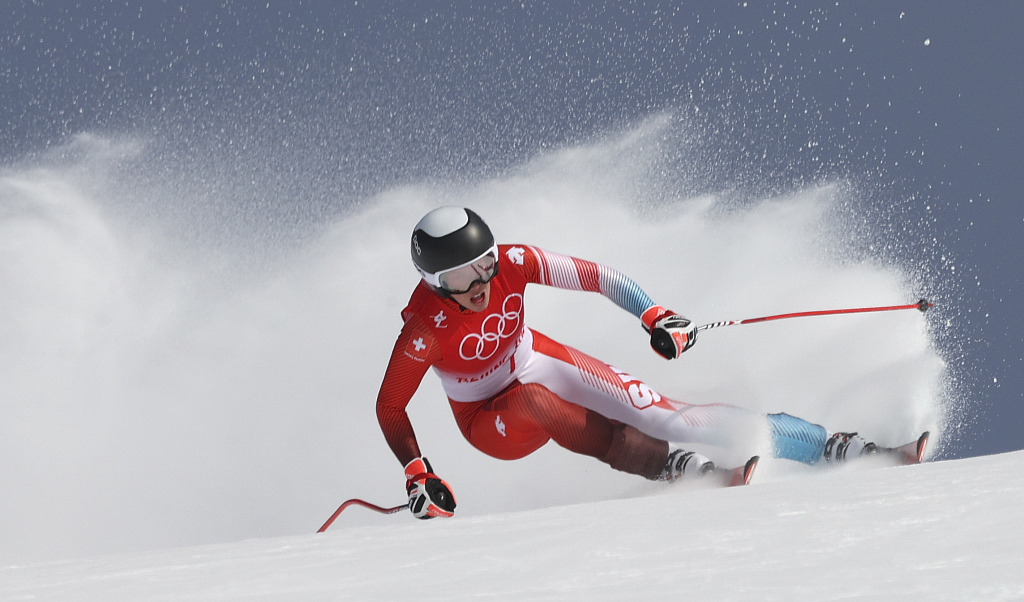
Alpine skiing includes downhill, super-G, slalom, giant slalom, and combined events, where athletes navigate gated courses at speeds up to 100 mph, with times measured to 0.01 seconds. Biathlon merges cross-country skiing with rifle shooting, featuring sprints, pursuits, individuals, and relays over distances like 15 km for women and 20 km for men, where missed shots incur penalties.
Bobsleigh involves two- or four-person teams racing down iced tracks in sleds reaching 90 mph, with events for men, women, and mixed. Curling, often dubbed “chess on ice,” sees teams slide stones toward a target, scoring based on proximity to the center. Figure skating encompasses singles, pairs, ice dance, and team events, judged on technical elements and artistic presentation.
Freestyle skiing covers aerials, moguls, ski cross, halfpipe, slopestyle, and big air, emphasizing tricks and style. Ice hockey pits teams in fast-paced matches, with men’s and women’s tournaments following standard rules but with Olympic-specific roster limits. Luge requires athletes to slide feet-first on sleds at over 80 mph, with singles, doubles, and team relays.
Nordic combined blends ski jumping and cross-country, while skeleton has competitors head-first on sleds. Short track and speed skating focus on oval races, with relays adding strategy. Ski jumping scores on distance and style from various hill sizes. Snowboarding includes parallel giant slalom, snowboard cross, halfpipe, slopestyle, and big air, with parallel events featuring head-to-head races and freestyle judged on amplitude and difficulty.
Rules and Regulations
Rules in the Olympic Winter Games ensure fairness, safety, and competition integrity, enforced by international federations like the International Ski Federation (FIS) for skiing sports, the International Biathlon Union (IBU) for biathlon, and others. General regulations include anti-doping protocols from the World Anti-Doping Agency (WADA), equipment standards, and age requirements—such as freestyle skiers needing to be born before January 1, 2010, for 2026.
In alpine skiing, downhill and super-G emphasize speed with minimal gates, while slalom and giant slalom require precise turns; missing a gate leads to disqualification. Biathlon penalties for missed shots add time or extra distance, with relays involving tag zones. Bobsleigh rules mandate sled weight limits (e.g., 390 kg for four-man) and four-run totals for scoring.
Curling games consist of 10 ends, with sweeping to control stone path; concessions are allowed if a team falls far behind. Figure skating uses a scoring system combining technical scores (jumps, spins) and program components (artistry), with deductions for falls. Freestyle events judge on execution, variety, and landing, with ski cross featuring heats of four racers navigating obstacles.
Ice hockey follows NHL-like rules but without fighting tolerances, using three 20-minute periods. Luge and skeleton prohibit pre-start warming of runners, with times aggregated over runs. Snowboarding halfpipe scores tricks out of 100, while cross disqualifies for dangerous contact. All sports allow ties in timing-based events and emphasize athlete safety through course inspections and medical protocols.
Qualification Process
Qualification for the Olympic Winter Games allocates spots to national federations based on performance in designated events, not individuals, ensuring global representation. Each sport has athlete quotas; for example, figure skating allows 29 men and women singles, 19 pairs, and 23 ice dance teams, with federations limited to three per discipline.
The process typically spans the season before the games, using World Cup rankings, world championships, or continental qualifiers. In alpine skiing, nations earn spots via FIS points, with a maximum of 153 per gender; unused quotas are reallocated. Athletes must meet minimum scores or points, like figure skaters achieving technical element thresholds in short and free programs.
For luge, the International Luge Federation (FIL) awards points in World Cup races, determining national quotas. Biathlon uses IBU Cup standings, while snowboarding relies on FIS World Cup results for events like halfpipe. Age and citizenship rules apply, such as Canadian skaters needing citizenship for selection. Neutral athletes may qualify individually under special provisions. Once quotas are set, national committees select athletes via trials or rankings, blending merit with strategic team composition.
Hosting and Organization
Organizing the Olympic Winter Games involves massive logistics, from venue preparation to broadcasting. The 2026 Milano Cortina games span February 6-22, with 116 events across clusters: Milan for ice sports, Valtellina for skiing, and Cortina for sliding. Sustainability is key, with 93% of venues pre-existing.
The IOC oversees operations, partnering with local committees for ticketing, security, and anti-doping. Ceremonies blend culture and sport, while medals reward top three finishers. Challenges like weather are mitigated with artificial snow and flexible scheduling.
Conclusion
The Olympic Winter Games embody human achievement in harsh environments, fostering international camaraderie through rigorous competition. From the adrenaline of downhill skiing to the strategy of curling, these games continue to inspire. As Milano Cortina 2026 unfolds, they remind us of the unifying power of sport.
FAQ
What are the main sports in the Olympic Winter Games?
The games feature 15 sports, including alpine skiing, biathlon, bobsleigh, curling, figure skating, freestyle skiing, ice hockey, luge, Nordic combined, short track speed skating, skeleton, ski jumping, snowboarding, speed skating, and cross-country skiing.
How do athletes qualify for the games?
Qualification is based on national quotas earned through rankings in World Cups, championships, and other events. Federations then select athletes meeting minimum standards, age requirements, and technical scores.
What are some key rules in winter Olympic sports?
Rules vary: Timing to 0.01 seconds in speed events, penalties for misses in biathlon, judging on difficulty in freestyle, and equipment standards across all. Safety and anti-doping are universal.
When and where are the next Olympic Winter Games?
The 2026 games are in Milano Cortina, Italy, from February 6-22, with events split between urban and mountain venues.
How has the Olympic Winter Games evolved?
From 16 events in 1924 to 116 in 2026, adding sports like snowboarding while emphasizing inclusivity, sustainability, and technology.