Introduction to Schwarnitz
Nestled in the heart of the Austrian Alps, Schwarnitz is a captivating municipality that embodies the essence of Tyrolean charm and natural splendor. Often overlooked by mainstream tourists, this quaint village offers a serene escape into a world where history, culture, and breathtaking landscapes converge. Schwarnitz, with its rich heritage dating back to the early Middle Ages, serves as a gateway to some of Europe’s most pristine wilderness areas. Whether you’re an avid hiker, a history enthusiast, or simply seeking tranquility away from bustling cities, Schwarnitz provides an authentic Austrian experience. In this comprehensive guide, we’ll explore everything from its origins to modern-day attractions, ensuring you have all the information needed to plan your visit.
Schwarnitz is located in the district of Innsbruck-Land in the state of Tyrol, Austria, approximately 16.4 kilometers north of Innsbruck and just 9 kilometers from the neighboring town of Seefeld in Tirol. Positioned right on the border with Germany, it acts as the western entry point to the Hinterau valley, home to the source of the Isar River. With a population of around 1,361 residents as of 2020, Schwarnitz spans an impressive 158.77 square kilometers, making it one of the largest municipalities in its district despite its small population density of about 8.57 people per square kilometer. The elevation of 964 meters above sea level contributes to its alpine climate, featuring crisp air, snowy winters, and vibrant summers.
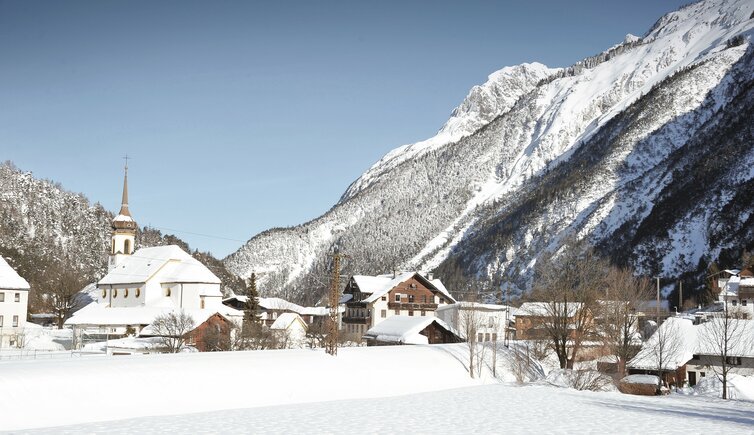
To visualize the stunning setting of Schwarnitz, here’s a winter landscape showcasing the village against snow-capped mountains:
The History of Schwarnitz
The story of Schwarnitz is deeply intertwined with the broader history of the Tyrolean region. Although Schwarnitz was one of the last settlements established in its immediate area, its name has ancient roots. Documented as early as the 8th century, the area was described as a “wild, bleak” wilderness buried in snow, earning nicknames like “solitudo Scrantiensis” or “scaraza,” meaning a dreadful, desolate place. The word root “scar” likely derives from ancient Illyrian, signifying “naked rock.”
In 763 AD, Bavarian noblemen Reginbert and Irminfrid founded the Scaraza Monastery, also known as Scarantia, along with a church dedicated to St. Peter. This marked the beginning of organized settlement. By the 14th and 15th centuries, the entire region—from modern-day Garmisch-Partenkirchen in Germany to Zirl in Austria—was referred to as the “Schwarnitz Woods” or simply “the Schwarnitz.” The area was divided into “upper,” “middle,” “lower,” and “outer” sections, with Schwarnitz itself being the upper part. The name evolved from “Scaraz” and “Scarbia” to “Scarnize” and finally to Schwarnitz, reflecting linguistic shifts over centuries.
During the Middle Ages, Schwarnitz became a crucial commercial route connecting Germany and Italy, facilitating trade in goods like salt, wine, and textiles. This strategic position brought prosperity but also conflicts, including border disputes and military passages. In more recent history, Schwarnitz has focused on preservation, maintaining its historical architecture through community efforts and conservation projects. Today, landmarks such as old chapels, stone bridges, and preserved farmhouses stand as testaments to its resilient past. Population records show steady growth, from 539 inhabitants in 1869 to peaks around 1,291 in the early 2000s, with slight fluctuations due to economic shifts.
Geography and Natural Beauty
Schwarnitz’s geography is a highlight for nature lovers. Surrounded by rolling hills, dense woodlands, and open meadows, the village transforms with the seasons: blossoming fields in spring, lush greenery in summer, warm autumnal colors, and snow-covered vistas in winter. The Karwendel Nature Park, of which Schwarnitz is the gateway, offers vast protected areas for hiking, biking, and wildlife observation. The Isar River originates here, winding through gorges like the Gleirsch Gorge, providing scenic trails and opportunities for birdwatching and photography.
The climate is typically alpine, with cold winters (average lows around -5°C) ideal for snow sports and mild summers (highs up to 25°C) perfect for outdoor activities. Precipitation is moderate, with snowfall accumulating up to several meters in winter. Schwarnitz’s large area includes parts like Au, Eisack, Gießenbach, and Inrain, each contributing to its diverse terrain. For those interested in running or cycling, there are top trails around Schwarnitz, featuring interactive maps and user photos for planning.
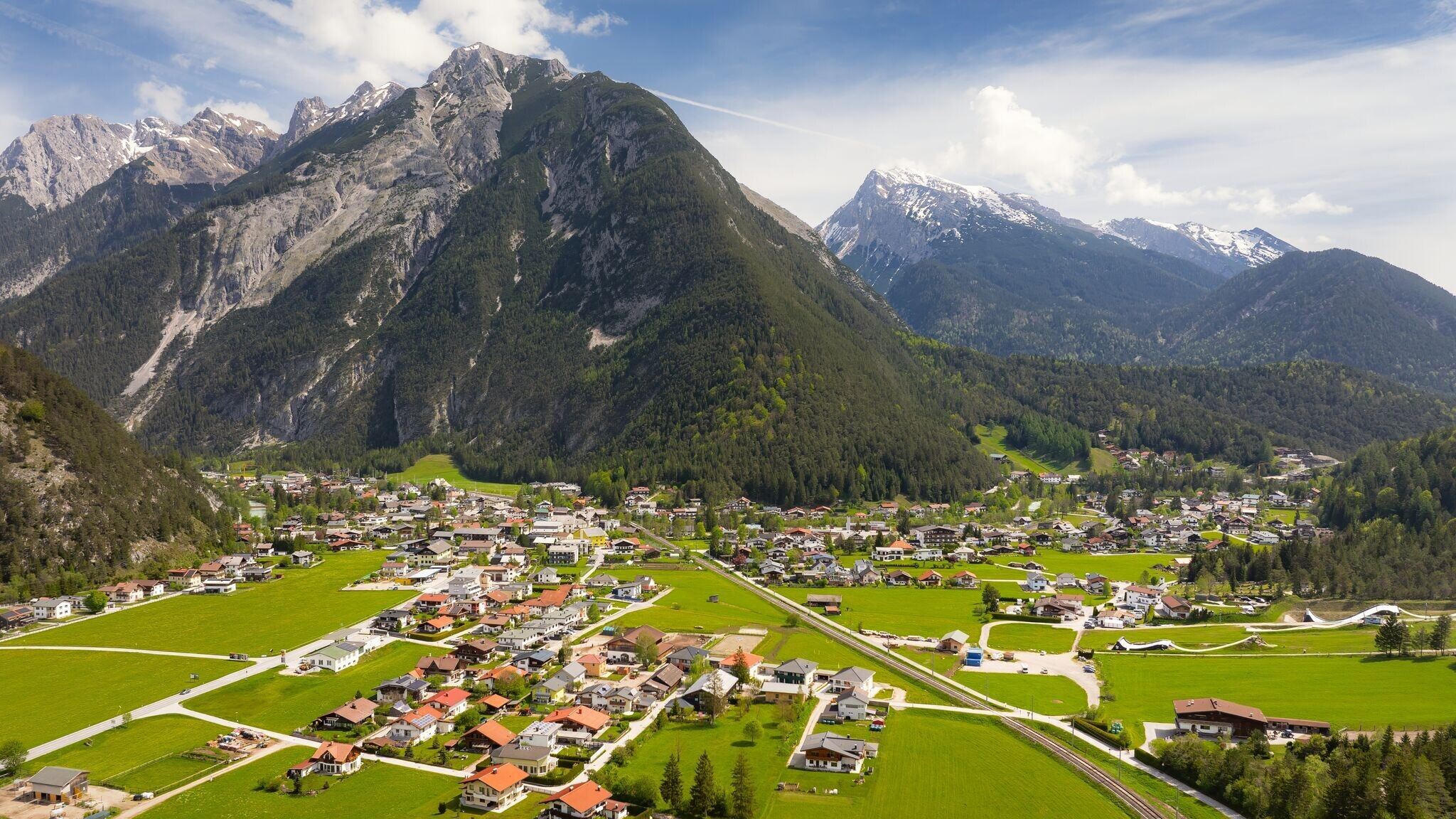
Enjoy this aerial view of Schwarnitz in spring, highlighting its green valleys and mountain backdrop:
Attractions and Activities
Schwarnitz is a paradise for adventurers. Key attractions include the source of the Isar River, accessible via easy hikes from the village center. The Gleirsch Gorge offers dramatic rock formations and cascading waters, while the Karwendel Park boasts over 100 kilometers of trails for all levels. In winter, cross-country skiing and snowshoeing dominate, with tracks leading into the valley.
Historical sites abound, including the ruins of the ancient monastery and traditional Tyrolean farmhouses. The village center features cobblestone streets, small cafés, and artisan shops selling local crafts. For a cultural twist, visit during seasonal festivals celebrating harvests, folk music, and regional cuisine. Tripadvisor reviews highlight 356 entries on hotels, attractions, and restaurants, praising the area’s authenticity.
Guided walks, cultural workshops, and cycling routes provide immersive experiences. Nature reserves are ideal for peaceful reflection, with paths through farmlands and forests offering stunning viewpoints.
Culture and Traditions
Culture in Schwarnitz is rooted in agricultural traditions and craftsmanship. Residents maintain close-knit bonds, with daily life revolving around seasonal rhythms and family customs. Annual events like harvest festivals feature folk music, dances, and communal gatherings that strengthen social ties. Historical sites, such as religious structures and public landmarks, serve as gathering points and symbols of the past.
The architecture—pitched roofs, wooden details, and stone foundations—harmonizes with the landscape, preserved through strict guidelines. Schwarnitz’s cultural continuity blends preservation with modern relevance, making it a living heritage site.
Economy and Modern Life
Tourism drives Schwarnitz’s economy, thriving year-round with summer hikers and winter skiers. Local businesses include guesthouses, inns, and eateries emphasizing sustainability. Agriculture and craftsmanship supplement income, with products like cheeses and handmade goods sold at markets.
Modern amenities include a postal code of 6108, area code 05213, and vehicle registration IL. The mayor, Isabella Blaha, leads under the “Bürger für Scharnitz” party. The official website provides updates on events and services.
How to Get There and Best Time to Visit
Schwarnitz is accessible via rail, roads, buses, and shuttles from Innsbruck or Munich. Once there, walking or cycling is ideal due to its compact layout.
Visit year-round: spring and summer for outdoors, autumn for festivals, winter for coziness. Approach with respect for locals and support sustainable practices.
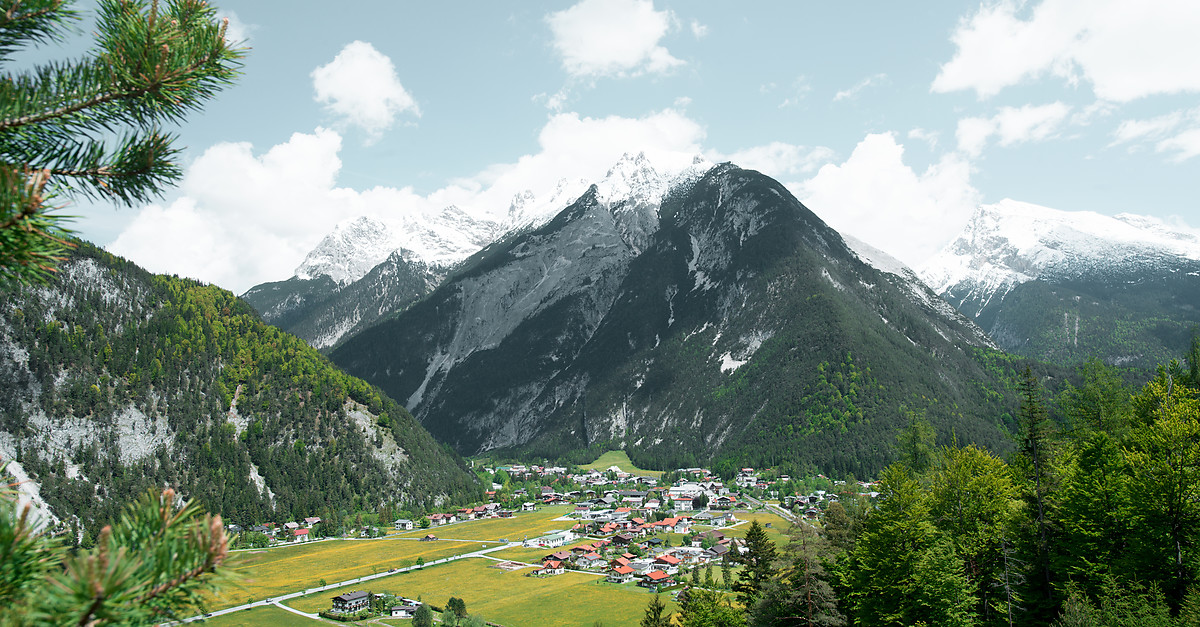
Here’s a summer panorama of Schwarnitz, capturing its alpine allure:
Accommodation and Cuisine
Accommodations range from guesthouses with traditional décor to countryside inns offering views and local insights. Cuisine features hearty dishes using seasonal ingredients: breads, cheeses, vegetables, and herbs from nearby farms. Dine at family-run spots for authentic Tyrolean flavors like schnitzel, dumplings, and strudel.
Conclusion
Schwarnitz is more than a destination—it’s a portal to authentic Alpine life. With its historical depth, natural beauty, and welcoming community, it promises memorable experiences for all visitors. Whether exploring trails or savoring local traditions, Schwarnitz invites you to disconnect and reconnect with nature and history.
FAQ
What is the population of Schwarnitz?
Schwarnitz has a population of about 1,361 people.
Where is Schwarnitz located?
Schwarnitz is in Tyrol, Austria, north of Innsbruck on the German border.
What are the main attractions in Schwarnitz?
Key attractions include the Karwendel Nature Park, Isar River source, Gleirsch Gorge, and hiking trails.
When is the best time to visit Schwarnitz?
Any season works, but summer for hiking and winter for skiing are popular.
Is Schwarnitz suitable for families?
Yes, with family-friendly activities like easy walks, cultural events, and safe environments.
How do I get to Schwarnitz?
By train or car from Innsbruck (about 20 minutes) or Munich (around 1 hour).
What is the history behind the name Schwarnitz?
It evolved from ancient terms meaning “naked rock,” linked to a 8th-century monastery.
Are there winter sports in Schwarnitz?
Yes, cross-country skiing and snowshoeing are available in the surrounding areas.
What local foods should I try in Schwarnitz?
Try traditional Tyrolean dishes like cheeses, breads, and herb-infused meals from local farms.
Is Schwarnitz a good base for exploring the Alps?
Absolutely, as it’s the gateway to Karwendel Park and close to other Tyrolean towns.